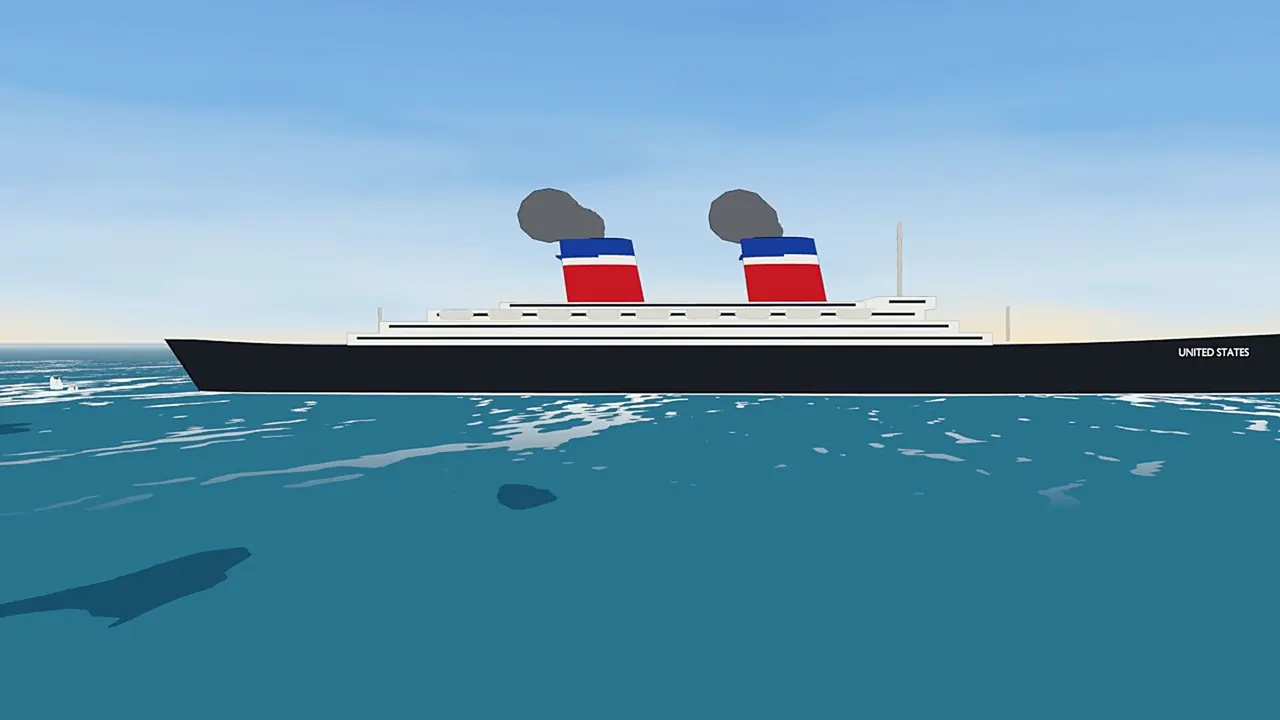
SS United States: The Fastest Ocean Liner Ever Was Built to Carry an Army
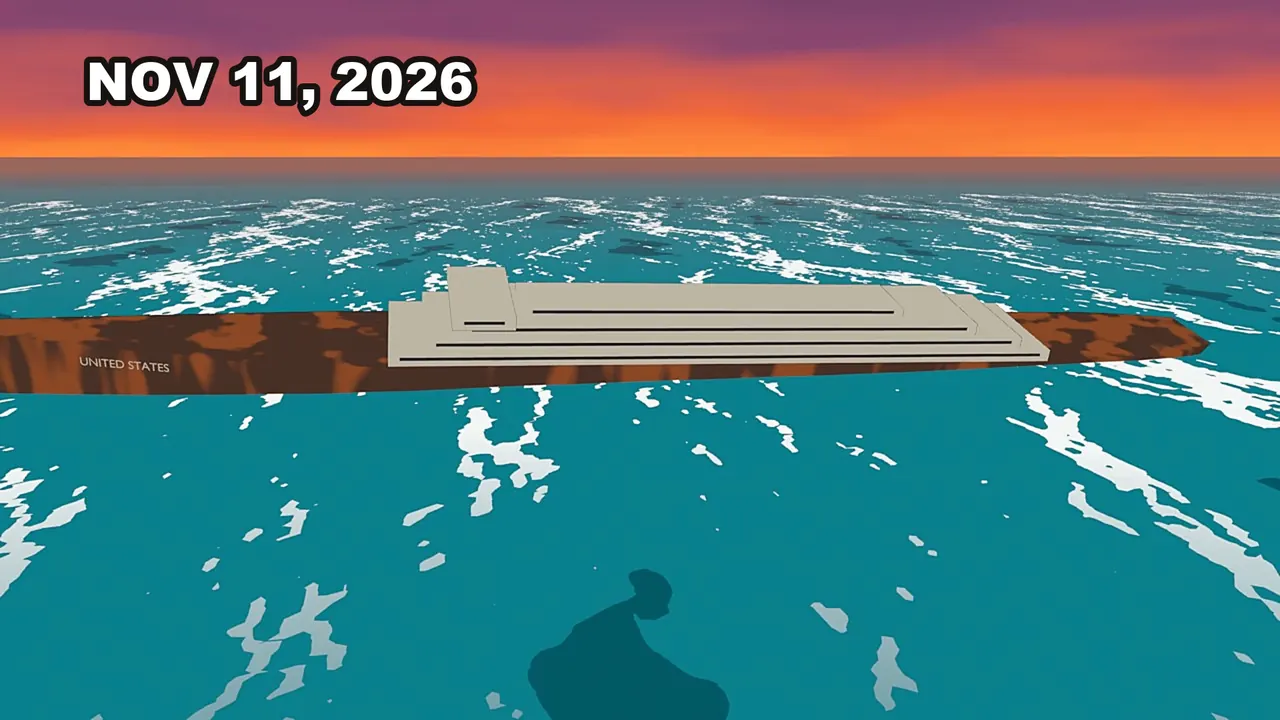
In 1952 the SS United States set an Atlantic speed record no liner has beaten. Under the luxury she was a secret troopship for 14,400 soldiers. On November 11, 2026, she was sunk on purpose to become a reef.
On November 11, 2026, the fastest ocean liner ever built was sunk on purpose off the coast of Florida. Longer than three football fields, the SS United States rolled over and slid under, stern first. Her 1952 record for crossing the Atlantic still stands. No passenger liner has ever beaten it.
She looked like a luxury ship. But she was designed so the US government could turn her into a troopship for 14,400 soldiers, and her true top speed was kept a military secret for decades. This is how she was built, how she won, and how she ended up on the sea floor.
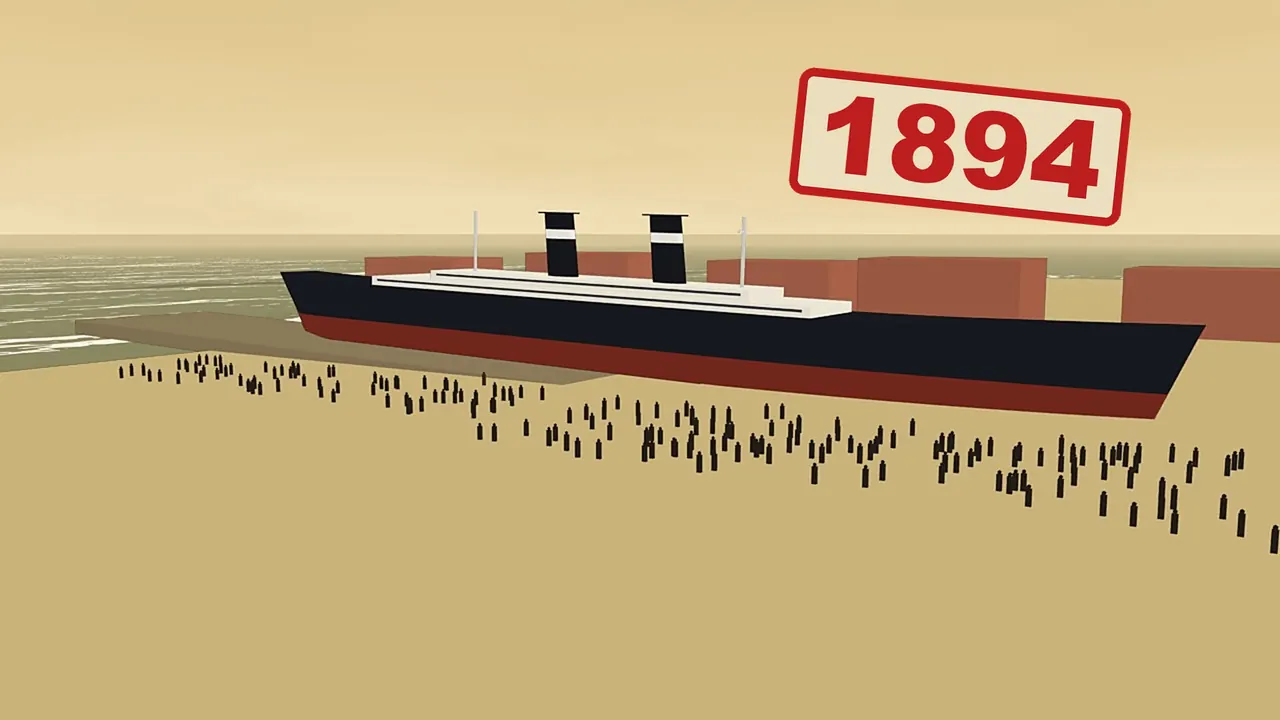
A boy at a launch in 1894
The ship began with one man. In 1894, an eight-year-old boy named William Francis Gibbs watched the liner St. Louis slide into the water, and dreamed of building something bigger.
After World War One he got his first giant job: rebuilding the Leviathan, then the largest ship in the world, taken from Germany. Next came the first ship that was all his own, the liner Malolo. On her sea trials a freighter rammed her right in the middle, and the hole went straight into her engine room. His mentor expected her to sink. She stayed afloat.
In World War Two, his firm designed more than 70% of America's ships. When the war ended, Gibbs wanted his dream liner. The question was who would pay for it.
The secret customer: the military
The answer was the military. During the war, fast liners like the Queen Mary had carried soldiers between fronts. So in 1945 the US government asked for a liner that could quickly become a troopship. Gibbs entered his old dream design, and it won.
Strip out the furniture, and she could carry 14,400 soldiers: a whole army division, moved at liner speed, with no stop for fuel. Of her 71 million dollar cost, the government paid 45 million, and 25 million of that was just for "national defense features".
She was even built in an unusual place. A Navy supercarrier, also named United States, had just been cancelled, and its dry dock was free. She became the first ocean liner ever built in a dry dock. Her keel went down on February 8, 1950. When the Korean War began, the Pentagon took her over while she was only a third finished, then changed its mind a month later and gave her back.
Two engine rooms and secret propellers
What did the defense money buy below the waterline? The ship was 990 feet long, with twelve decks. Deep inside she had not one engine room but two, each with four boilers and walled off from the other. Almost every system had a backup, the way warships are built, so one hit could not stop her.
The eight boilers fed four giant steam turbines of about 60,000 horsepower each: 240,000 horsepower pushing one ship. Yet in normal service the boilers ran at only about half power. She cruised with half her strength held back.
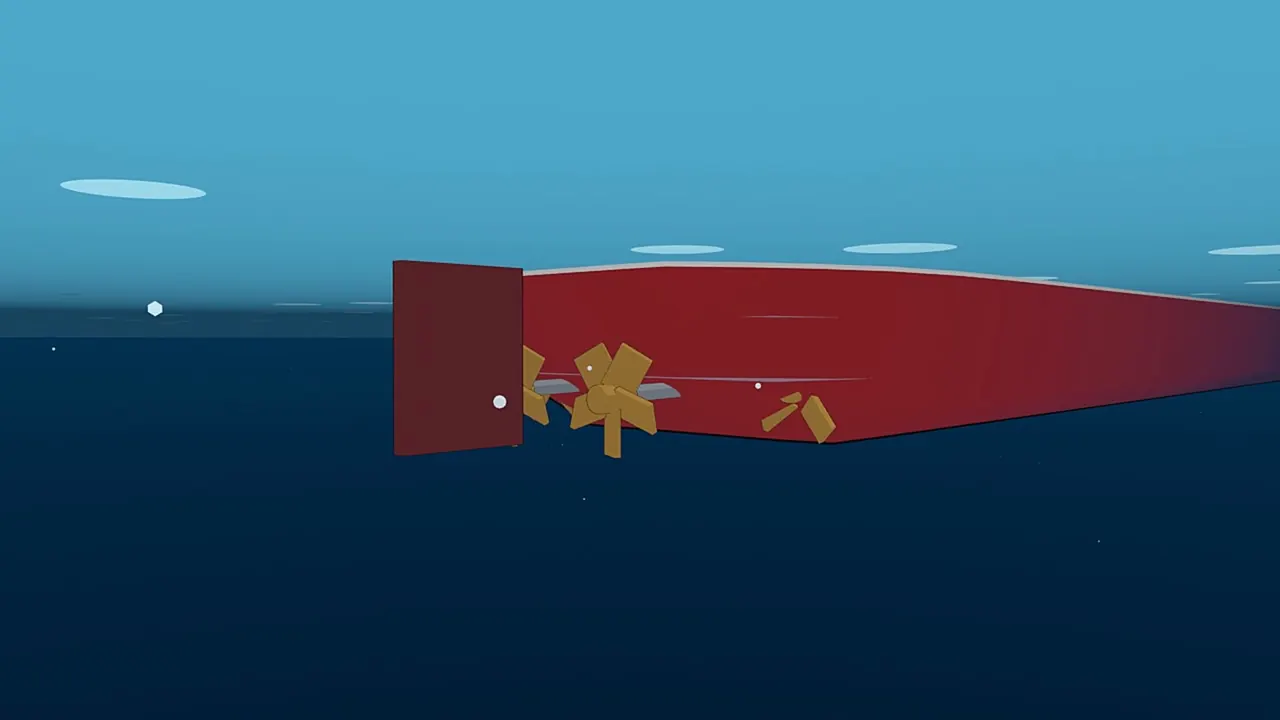
Four shafts turned four propellers, each 18 feet across. The outer two had four blades and the inner two had five. Those five-bladed propellers were one of her best-kept secrets: they cut vibration and let her run fast, forward or backward.
Built light, built not to burn
Her red, white and blue funnels were the largest ever put to sea: 55 feet tall and 60 feet wide. Big funnels make a ship top-heavy, a problem Gibbs had seen on the Leviathan. So he built the funnels and everything above the main deck from aluminium. It was the biggest aluminium building job in the world at the time. Welders had to keep the aluminium from corroding where it touched steel, and fins on the funnels threw smoke away from the decks.
Gibbs feared one thing more than slowness: fire. The liners Morro Castle and Normandie had both been destroyed by fire. So he ordered that there be no wood on board. Furniture was metal, glass and fibreglass, much of the art was aluminium, and the open decks got a green coating called Neotex instead of wooden planks. The only wood planned for the whole ship was the butcher's block in the galley.

Then came the piano. It was meant to be aluminium, but it ended up being made of mahogany. To get it on board, someone poured gasoline on it and set it alight. The wood did not catch fire, and the piano sailed.

The record that still stands
On July 3, 1952, the SS United States left New York on her maiden voyage. The Atlantic speed record, the Blue Riband, belonged to Britain's Queen Mary and had stood for 14 years.
Gibbs gave the crew a strange order: beat the record, but not by too much. The real speed was to stay hidden for the next race. The company had another fear, too: the Titanic. Its president's father had run White Star's office when Titanic sank, and he sealed a message to be opened only if disaster struck.
She crossed in 3 days, 10 hours and 40 minutes, passing Bishop Rock off Cornwall at an average speed of 35.59 knots, almost 41 miles an hour for the whole crossing. She beat the Queen Mary's record by more than ten hours, then broke the westbound record on the way home as well. It was the first American Blue Riband in 100 years.
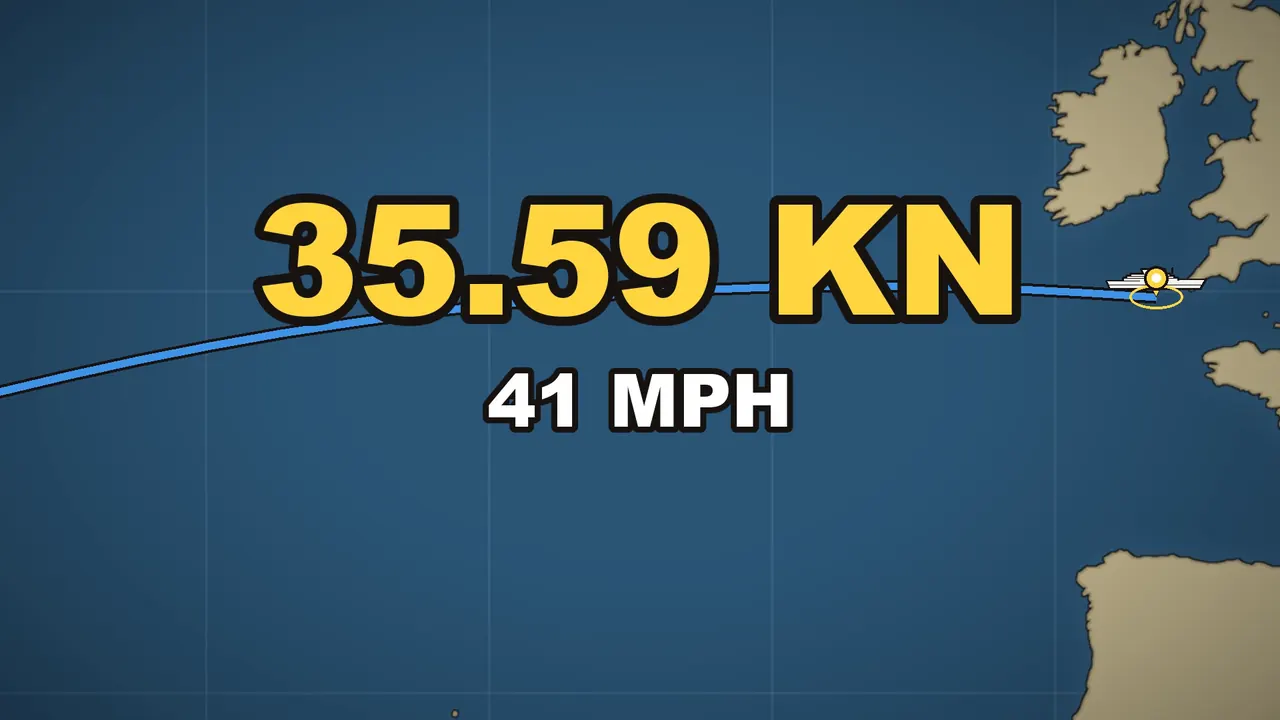
That was still not her top speed. Rumours said 43 knots. The real figure came out much later: on a trial run on June 10, 1952, she reached 38.32 knots, about 44 miles an hour, in a ship nearly 1,000 feet long.
Beaten by the jet
The fastest liner on Earth lost to the sky. In 1957, planes first carried more Atlantic passengers than ships, and jets soon cut the trip from days to hours. Strikes cancelled voyages. In 1961 the government stopped booking soldiers and their families on her, as big liners were now seen as easy targets for Soviet bombers. The ship built to carry an army had lost the army.
By 1968 she was losing four million dollars a year. In 17 years she had made 400 round trips and carried more than a million people. On November 11, 1969, while she was in the yard for her yearly overhaul, the owners announced she would never sail again. Crews had days to leave. Her funnels were left half-painted, with chairs, fittings and uniforms still in place. The Navy sealed her up, and her design stayed classified until 1977.
Fifty-seven years later, a reef
Then came decades of plans: a hotel, condos, a cruise ship, a hospital ship. None happened. In 1984 everything inside was sold at auction. She was towed to Turkey and then stripped to bare walls in Ukraine. From 1996 she sat at a pier in Philadelphia for 29 years, until the rent went up and, in 2024, a judge ordered her out.
No port would take her except one: Okaloosa County in Florida, which bought her for one million dollars to sink her as the world's largest artificial reef. In Alabama, crews removed fuel, wires and windows and cut holes so she would land upright. Both funnels came off and were saved for a museum on land.
The sinking date was November 11, 2026, exactly 57 years after she was taken out of service. Seawater was let in for seven hours and she barely moved. Then she rolled to the left and went under in about fifteen minutes, stern first. The next morning, sonar found her sitting upright about 180 feet down, with her top deck about 60 feet below the surface, within reach of divers.
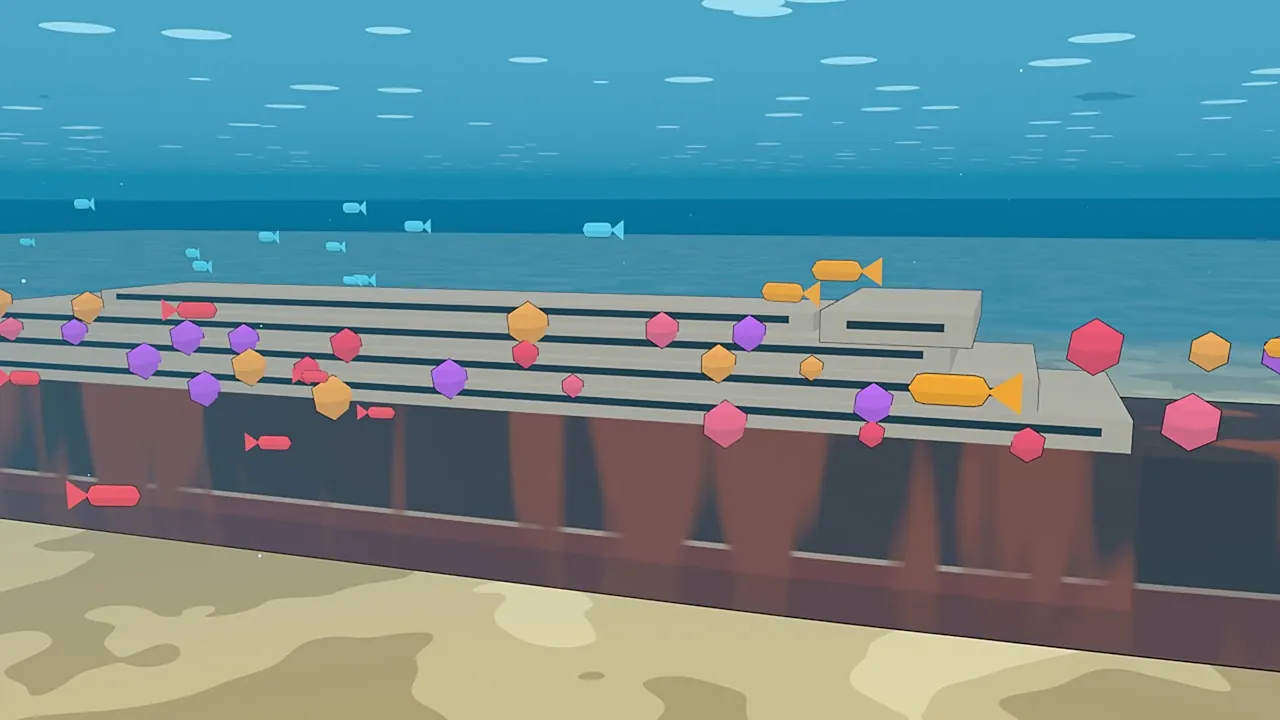
Coral, shellfish and fish will now move into the fastest liner ever built. Her record still stands.
Sources
- SS United States, Wikipedia
- News coverage of the November 2026 sinking off Destin, Florida (CBS, The Washington Post, CNN, NPR)
More from the video