Why the Polar Vortex Reversed Earlier Than Ever Recorded
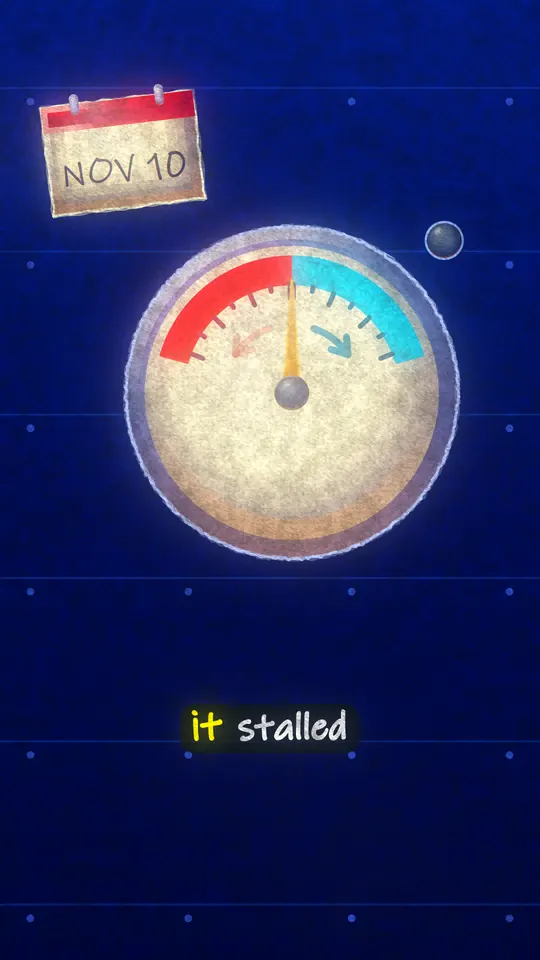
High above the North Pole, a ring of wind that normally keeps Arctic cold in place stalled and spun backwards on November 10, the earliest such disruption on record. Here is what the polar vortex is and what the reversal does and does not mean.
 Watch the short videoProfessor Chalk on YouTube
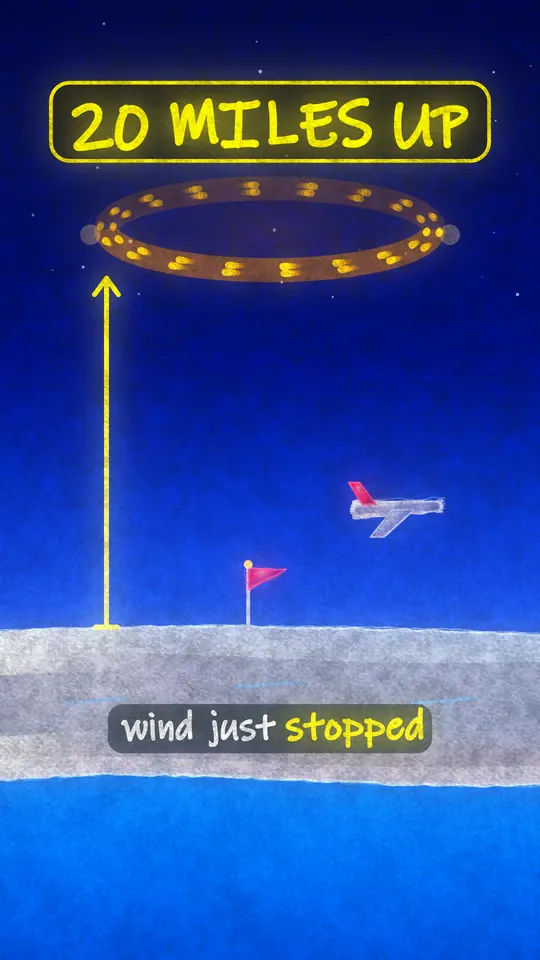
On November 10, 2026, a ring of wind roughly 20 miles above the North Pole stopped and then began blowing the wrong way. Scientists say it is the earliest disruption of this kind ever observed. The ring is called the polar vortex, and its early reversal has people asking whether a blast of cold is on the way.
What the polar vortex is
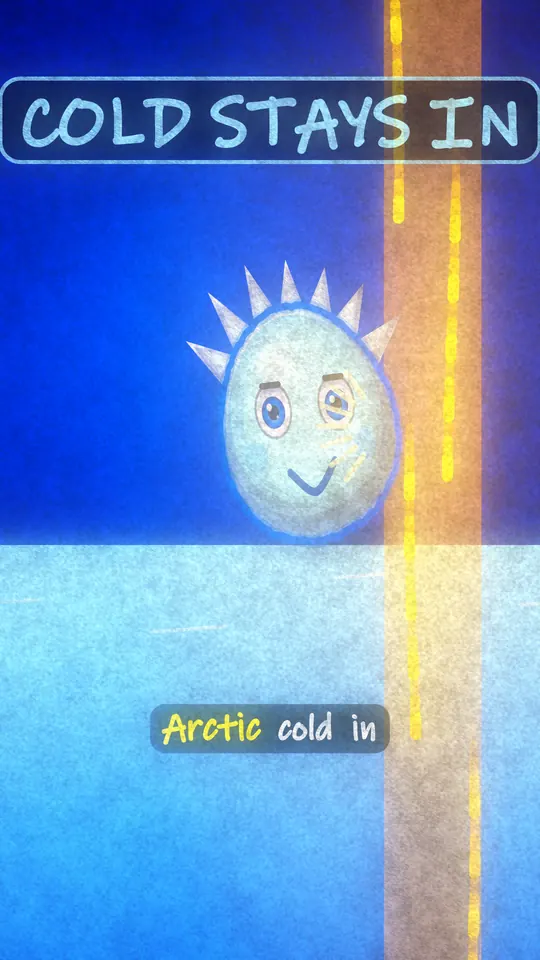
The polar vortex is a band of winds that flows from west to east high above the Arctic. Depending on the source, it sits somewhere between roughly 10 and 30 miles above the pole. Most winters it races around the top of the world and acts like a fence: its flow helps keep the coldest air near the poles instead of letting it spread out.

Because it sits so high, you never feel it directly. You cannot see it from the ground either. It is a pattern in the air, not a cloud or a storm.
What happened on November 10
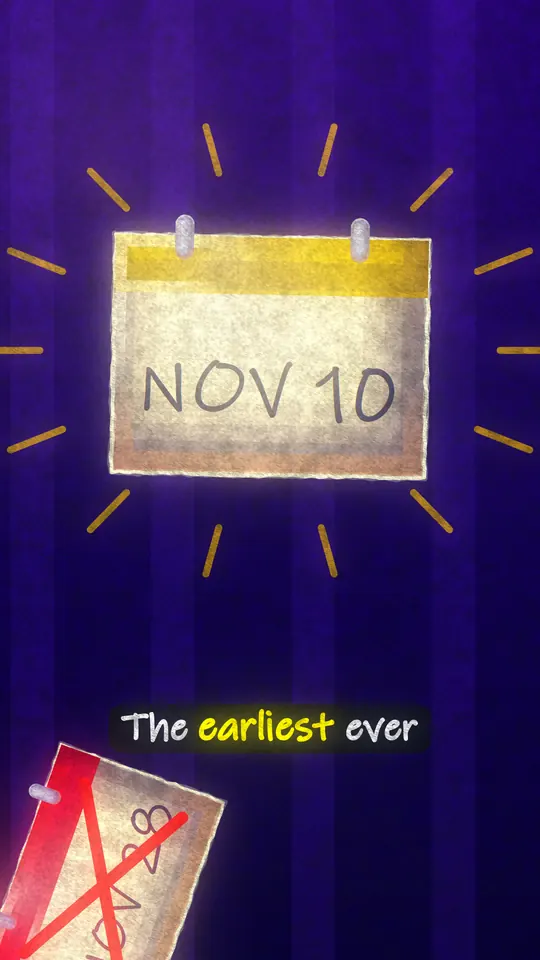
According to The Weather Network, the vortex ground to a halt and then reversed direction as of November 10. That is a historical first for the month of November. Scientists at the European centre ECMWF, quoted by AFP, called it the earliest disruption of the stratospheric polar vortex that has been observed, in records that go back to the 1950s.
There have been disruptions in November before. In 1958, 1968 and 2025 they happened on November 28. This year's came more than two weeks earlier.
Why it happened
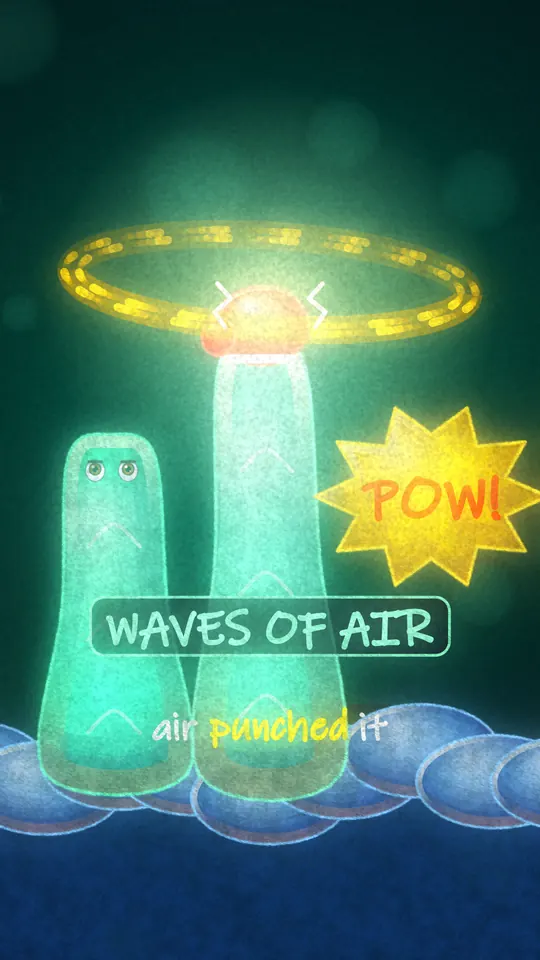
The vortex was not pushed from above. Powerful atmospheric waves travelling upward from the lower atmosphere disrupted it, The Weather Network reports. Scientist J. Cohen, quoted by AFP, put it as a vortex "disrupted from below".
You can picture the waves as giant swells of air rising from the weather layer where we live and punching into the ring of wind above. If the punches are strong enough, the fence loses its shape, slows down and, in this case, runs backwards.
What it means for the weather where you live
A broken fence can let the cold wander. After a disruption, Arctic air can surge south into places that do not normally get it. But that is a possibility, not a promise.
The Weather Network says any surge of Arctic air may still be several weeks away, and that there is little certainty about where the cold will go. Newsweek, citing NOAA's Climate Prediction Center, adds that a disruption cannot guarantee a major cold snap in the United States. The cold could slide towards one region and miss another entirely.
So the honest summary is this: the polar vortex really did reverse earlier than scientists have ever recorded, and that matters to people who study winter weather. What it will do to your own town this winter is not something anyone can say yet.
Sources
- The Weather Network: the polar vortex is on the brink of a historic reversal (Nov 11, 2026)
- AFP via Phys.org: Polar vortex faltering weeks earlier than ever recorded (Nov 7, 2026)
- US National Weather Service: What is the Polar Vortex?
- Newsweek: Polar Vortex Disruption Raises Prospect of Major US Cold Snap (cites NOAA Climate Prediction Center)
More from the video