Anthropic Priced Its IPO at $83 a Share and Raised About $81 Billion
Anthropic, the company behind the Claude chatbot, priced its IPO at $83 a share, above its range, and raised about $81 billion. Here is what happened and what an IPO actually is.
 Watch the short videoMr Dollar Bill on YouTube
A company founded in 2021 has just raised about $81 billion from public investors. Anthropic, the AI company behind the Claude chatbot, priced its initial public offering at $83 a share on Wednesday, November 18, 2026, and its shares were set to start trading on the Nasdaq the next day. Reporters at CNBC and Yahoo Finance call it the biggest IPO on record, though that label depends on how you count, as we explain below.
What actually happened
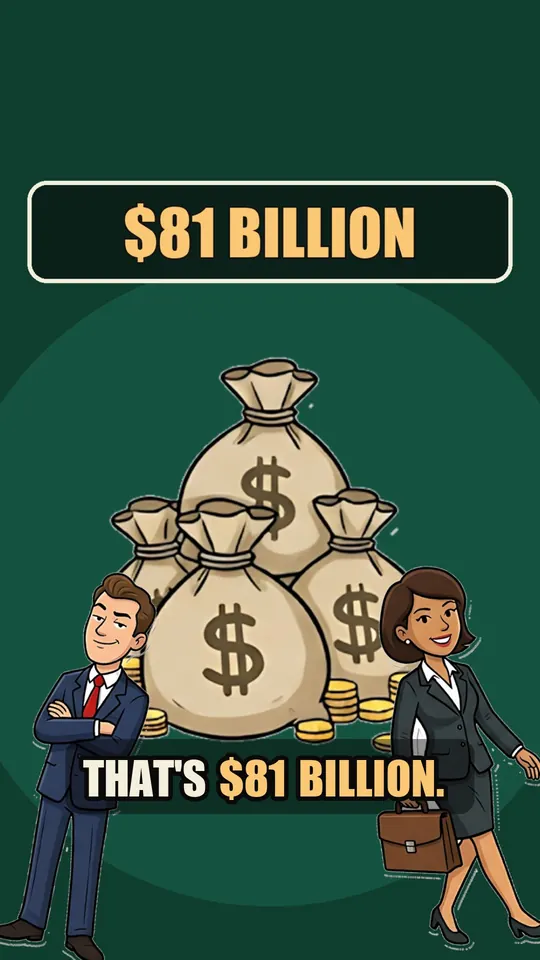
Anthropic sold about 980 million shares to the public at $83 each. That is more than it first planned: when the company filed updated paperwork in early November, it said it intended to sell 825 million shares at an estimated $70 to $78 each. Demand pushed the final price above that range, and the number of shares went up too. Multiply the shares by the price and you get roughly $81 billion raised.
At the top of its original range, the 825 million shares would have been worth about $64 billion. The real sale came in well above that.
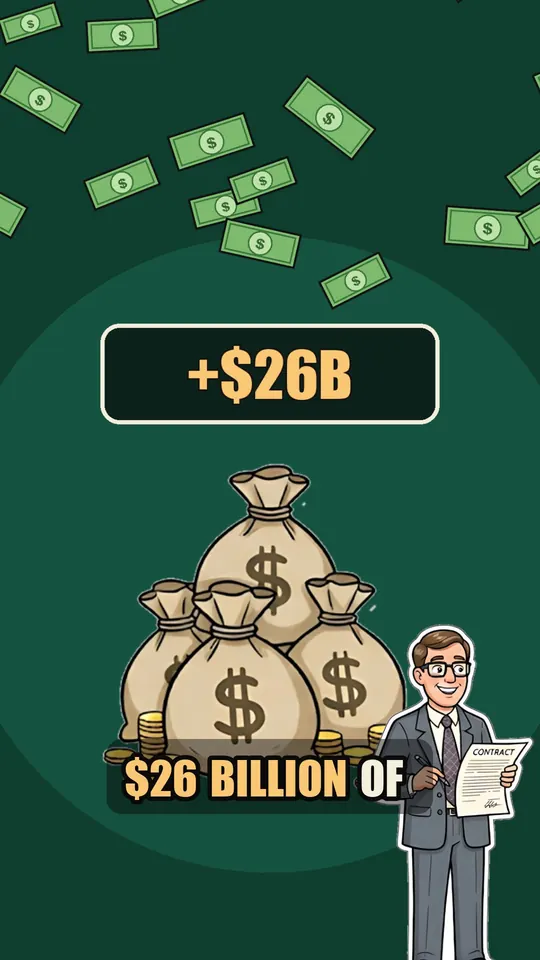
Alongside the public sale, several large tech companies agreed to buy a further $26 billion of Anthropic stock at the IPO price. CNBC names Google, Microsoft, Nvidia and AMD among them. Reports from earlier in the month listed a longer set of buyers, so the exact count is not settled, but the $26 billion figure is consistent across the coverage.
Is it the biggest IPO ever?
CNBC and Yahoo Finance both describe it as the largest IPO on record. The comparison point is SpaceX's IPO in June, which raised about $75 billion. CNBC also notes that SpaceX's total grew to about $85.7 billion once an extra-share option was exercised, so which sale is "bigger" depends on whether you count that option. It is safest to say Anthropic's offering is among the largest ever, and the largest by the headline figure reported at pricing.
What an IPO is
An IPO, or initial public offering, is the moment a private company sells shares of itself to the general public for the first time. Until then, the owners are usually the founders, employees and a limited group of investors. After the IPO, anyone with a brokerage account can own a small slice of the company.
Selling shares is how a company turns itself into cash. Each share is a tiny slice of ownership, so the price per share multiplied by the number of shares sold tells you how much money came in. In Anthropic's case, about 980 million slices at $83 each came to roughly $81 billion.
Why the price matters, and what it does not tell you
The $83 figure is the price the company and its banks set for the sale. It is not what the shares will be worth once ordinary trading begins; that is decided minute by minute by buyers and sellers. Prices for new stocks can move a lot in either direction in the first days, so the offering price is only a starting point.
It also does not say how good a business the company is. It says how much money the market was willing to hand over, on that day, for a share of it. That is a useful sign of how much interest there is in AI companies, but it is not a prediction, and nothing here is investment advice.
The short version
Anthropic is about five years old. It priced its IPO at $83 a share, sold about 980 million shares and raised about $81 billion, with another $26 billion committed by tech companies at the same price. Trading was scheduled to begin on Thursday, November 19, 2026. Figures are from the company's pricing announcement as reported by CNBC and Yahoo Finance and may be refined in later filings.
Sources
- CNBC: Anthropic IPO prices at $83 a share (18 Nov 2026)
- Yahoo Finance live coverage: Anthropic said to price stock at $83, begin trading Thursday
- IBTimes: Anthropic IPO terms (November 2026)
- LetsDataScience: Anthropic sets IPO range and adds a $26 billion private placement
More from the video
This is a true story told for learning. It is not financial advice.