The Gimli Glider: How a Boeing 767 Ran Out of Fuel Halfway Across Canada
In July 1983 a nearly new airliner took off with about half the fuel it needed, because one number was in the wrong unit. Then both engines stopped at 35,000 feet, and the runway they found was full of race cars.
 Watch the short videoTop Qualifiers on YouTube
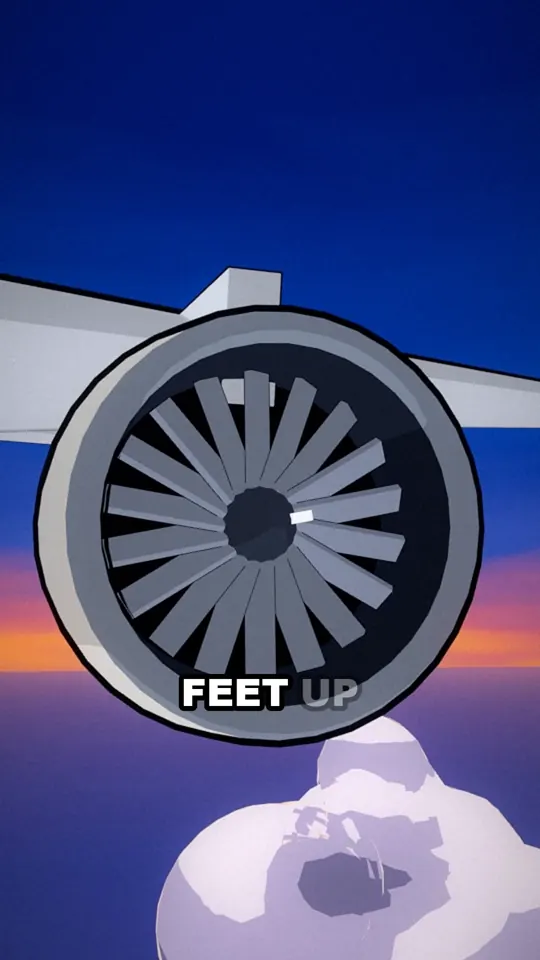
The sound was a single sharp "bong". Neither pilot of Air Canada Flight 143 could remember ever hearing it before. It was the warning for something that was never supposed to happen: all engines out.
The Boeing 767 was less than four months old. It was coming down through 35,000 feet on the evening of 23 July 1983, with 61 passengers and 8 crew, and 45 miles from a town called Gimli. The pilots opened the emergency checklist to the page about flying with no engines. There was no such page.
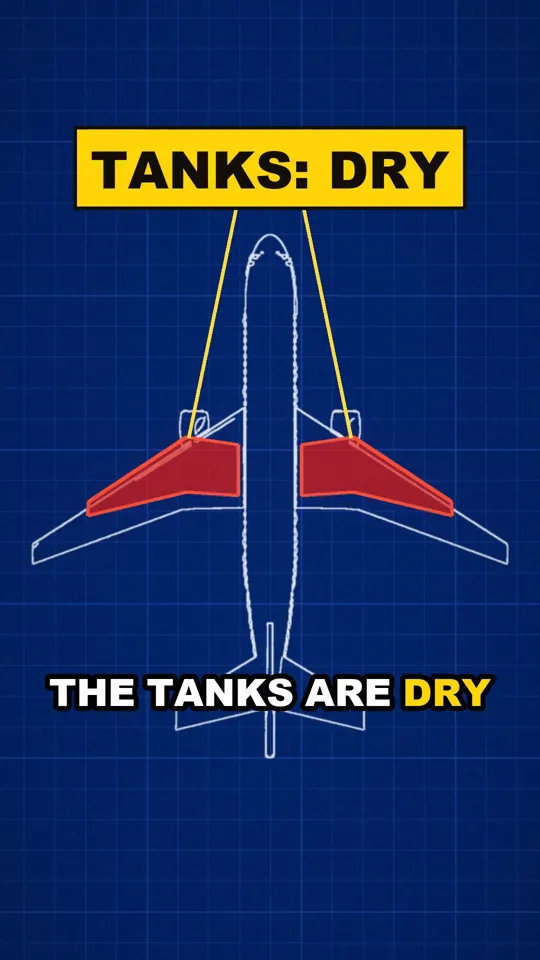
Nothing had leaked. Both fuel tanks were empty because that is how little had been put into them.
Three blank gauges
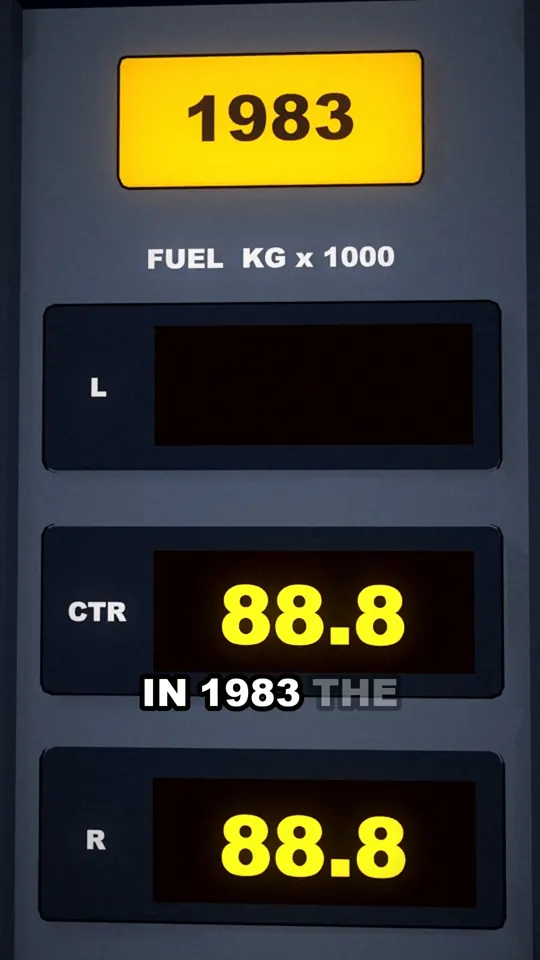
The trouble started the day before, in Edmonton. A technician found the three fuel gauges above the pilots' seats blank. He got them working by switching off one of the two channels that fed them. In Montreal, a second technician switched that channel back on to test it, and was then distracted by the arrival of the fuel truck. The gauges went dark again and stayed dark.
Captain Robert Pearson climbed aboard and saw blank gauges. He had been told about a problem with them, and through a string of misunderstandings he thought the plane had already been flying that way. It had not. The inquiry later said the aircraft should never have left the ground.
But there is an older way to measure fuel. Sticks in the tanks show how deep it is. After that, it is only arithmetic.
The man who ran out of paper
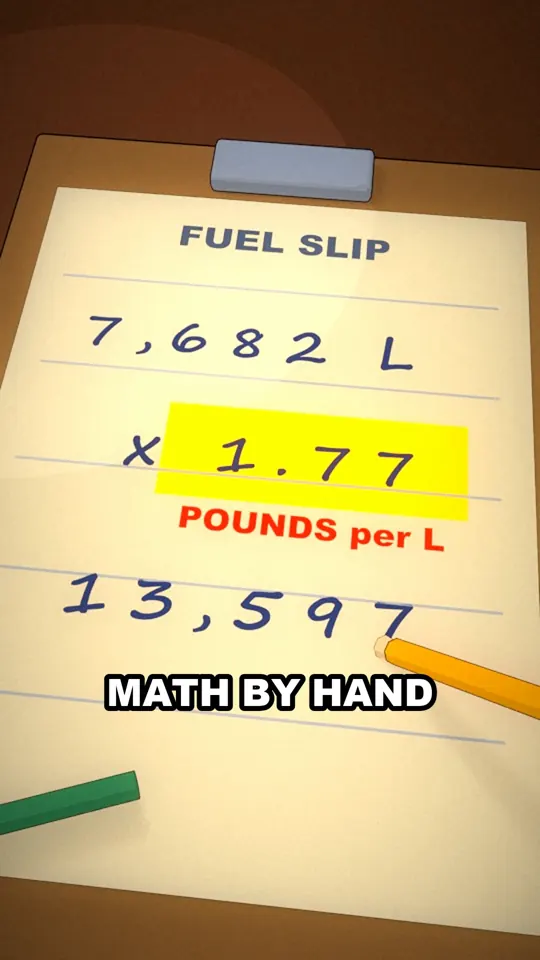
A dripstick tells you litres. A flight plan wants weight. In between you multiply by a number, and the number on the fuel paperwork was 1.77.
It was the right number for every other plane Air Canada owned. Those counted fuel in pounds. The 767 was new, and it was the first in the fleet that counted in kilograms. For kilograms, the number should have been about 0.8.
On older jets a flight engineer looked after the fuel sums. The 767 had no flight engineer, and nobody had been clearly given the job. So four people had a go at it, two technicians and two pilots. One technician gave up because he was getting nowhere. Another was working it out on a piece of paper from his pocket, and stopped when he ran out of space. First Officer Maurice Quintal then did it by hand. Pearson checked him with a slide rule.
The arithmetic was perfect. The 7,682 litres in the tanks, times 1.77, made 13,597, which they all took for kilograms. The flight needed 22,300, so they ordered what seemed to be missing: 4,917 litres. The right answer was about 20,000.
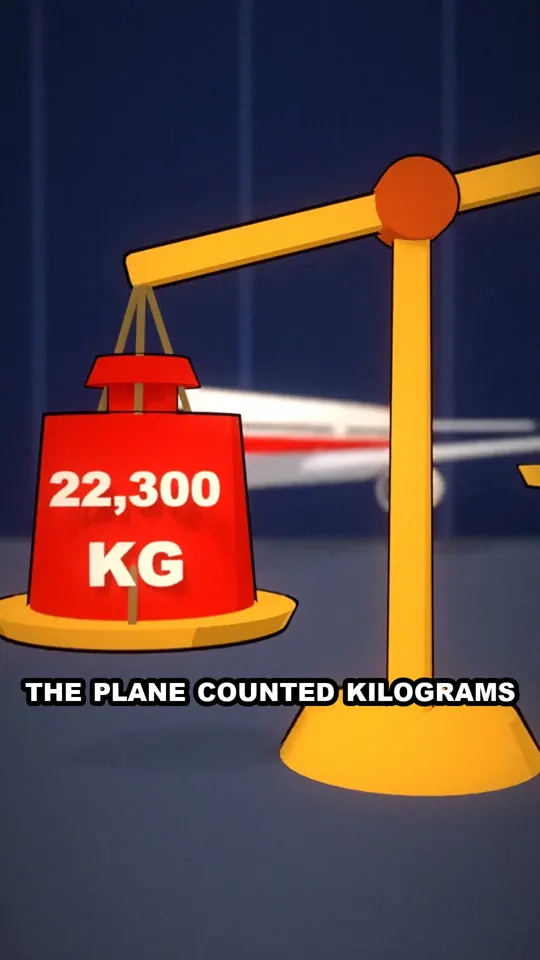
The plane left with 22,300 pounds of fuel and needed 22,300 kilograms. A kilogram is 2.2 pounds. They checked again at a stop in Ottawa, using the same kind of number, and it came out fine again.
A captain with an odd hobby
Without engines there was no power for most of the cockpit screens. What remained was a compass, an artificial horizon, an airspeed indicator and an altimeter. No instrument could tell them how quickly they were sinking. The transponder died too, so the controllers in Winnipeg had to find them on basic radar.
Quintal began working out whether they could reach Winnipeg. In ten nautical miles the plane had dropped 5,000 feet. They were not going to make it.
Two accidents of biography now mattered a great deal. Pearson flew gliders for fun, so flying without an engine was something he already knew how to do. And Quintal had once served at the air force base at Gimli, which was closed, but which had a runway. He suggested it.
Neither he nor the controller knew what had happened to that runway since.
Family weekend at the drag strip
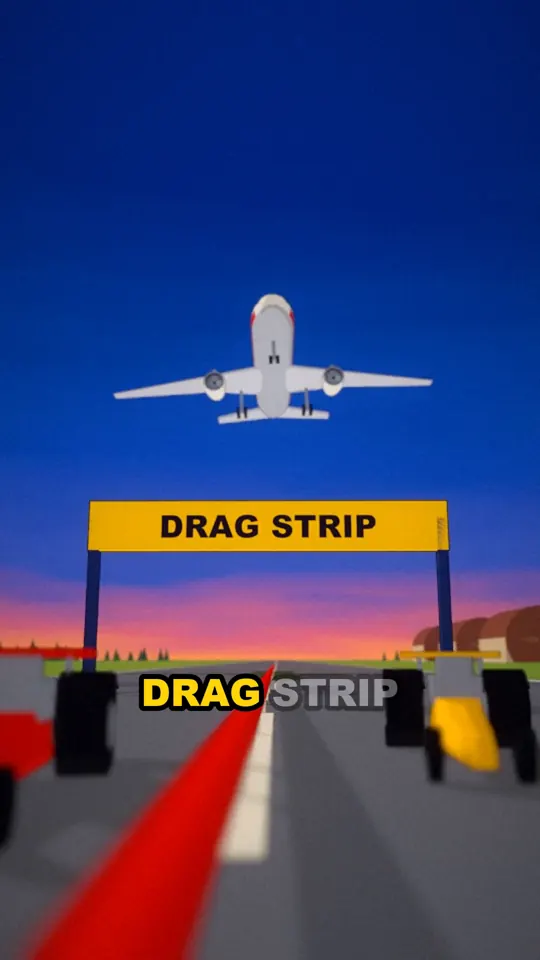
It was now a racetrack. There was a sports-car race going on that day. Cars, campers and tents stood around the old runway, where drivers and their families were spending the weekend, and a guardrail ran down the middle of it.
A jet with no engines makes almost no noise. The people on the ground had practically no warning that an airliner was arriving.
The pilots had one try, and they were too high and too fast. The flaps that would slow the plane needed power they did not have. So Pearson did something you do in a glider. He crossed the controls, rudder one way and ailerons the other, and flew an airliner slightly sideways through the air, so that the whole fuselage acted as a brake. It is called a side-slip.
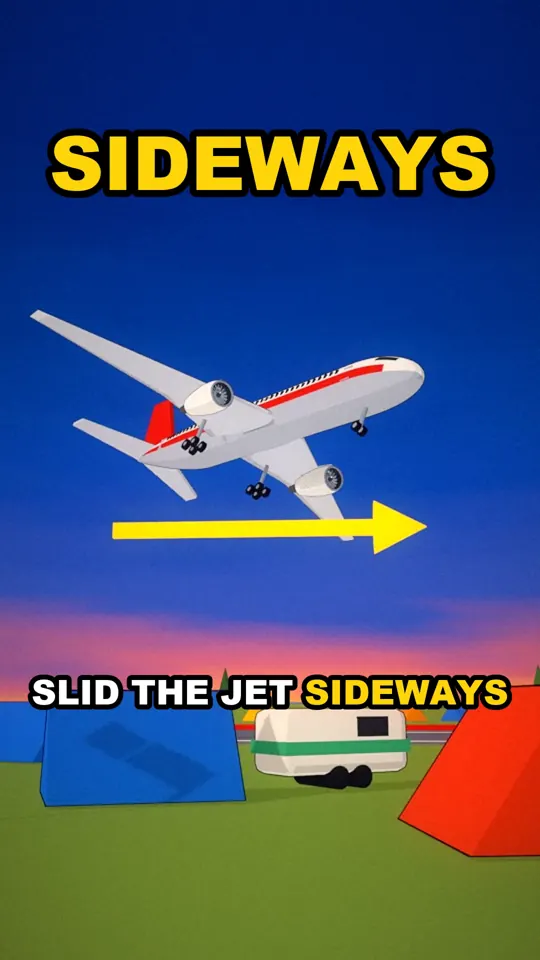
Close to the ground, the pilots saw boys on bicycles ahead of them, right about where they were going to land.
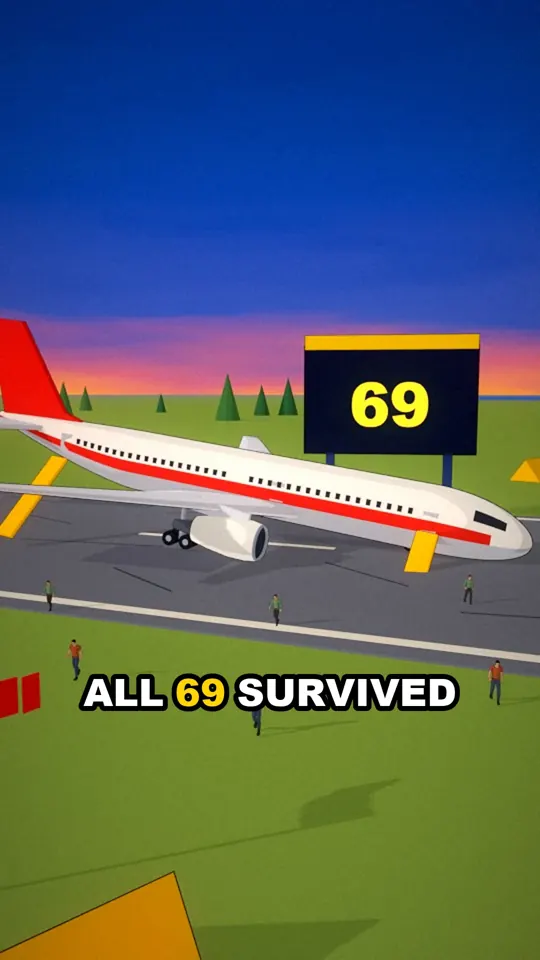
Pearson put the wheels down within 800 feet of the start of the runway and stood on the brakes. Two tires burst. The nose wheel, which had never locked into place, folded up, and the nose slammed onto the concrete and scraped along it. That sounds like one more piece of bad luck. It may have saved lives: the friction helped stop the plane before it reached the campers. The boys pedalled clear.
Seventeen minutes after the engines quit, it was over. Racers ran up with portable fire extinguishers and put out a small fire in the nose. Some of the passengers were hurt, none seriously, on the way out. With its nose on the ground the plane's tail stuck up in the air, and the rear escape slides no longer reached the bottom.
Afterwards
Air Canada demoted Pearson for six months and suspended Quintal for two weeks. They appealed and won. The inquiry led by Justice George Lockwood put the weight on a system in which nobody had been told who was responsible for the fuel. Two years after the landing, the pair received the first Diploma for Outstanding Airmanship ever given by the world's air sports federation.
Other crews were later given the same situation in a simulator in Vancouver. Several attempts ended in crashes.
The plane was fixed and went back to work for almost 25 years. When it was flown to the California desert to retire in January 2008, Pearson and Quintal were on board, along with three of the flight attendants from that day. It was eventually scrapped, and its skin was cut into 10,000 numbered luggage tags.
Sources
- Final Report of the Board of Inquiry into the Gimli accident, Commissioner Mr. Justice George H. Lockwood, April 1985
- CBC Archives, "When a metric mix-up led to the 'Gimli Glider' emergency"
- Gimli Glider, Wikipedia
- The Gimli Glider Exhibit museum
More from the video