Why Honeybees Die When They Sting (and Why Wasps Don't)
A worker honeybee's stinger is covered in backward hooks. In thick skin they hold on, so the bee tears away and leaves its stinger, venom sac and part of its belly behind. Here is how it works, and what to do.
 Watch the short videoProfessor Chalk on YouTube
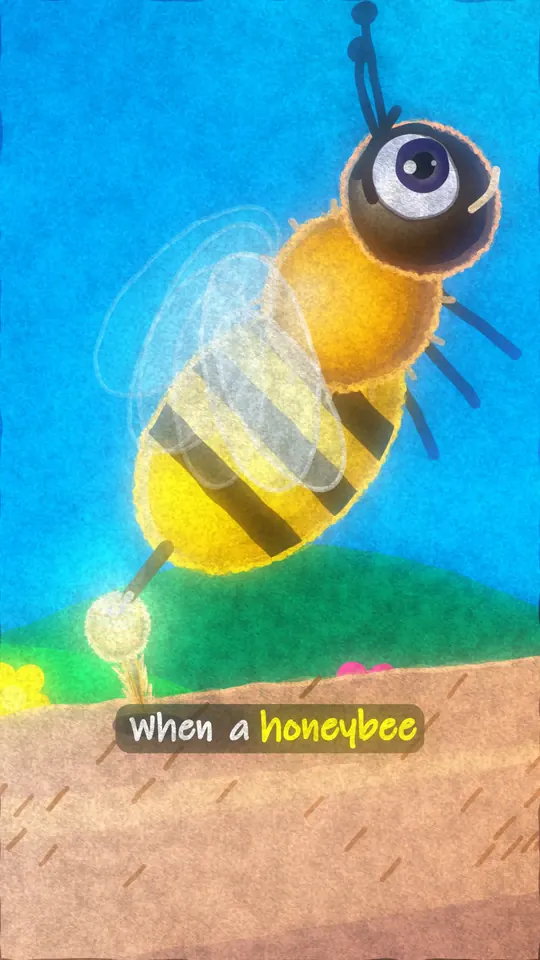
When a honeybee stings you, it doesn't fly away whole. It leaves part of its own body behind in your skin: the stinger, the little bag of venom on top of it, and some of the muscles and gut that held them in place. The bee dies soon after, sometimes within minutes, sometimes after a few hours.
Most other stinging insects don't pay that price. A wasp or a bumblebee can sting, pull out and sting again. So what makes the honeybee different?
A stinger covered in tiny hooks
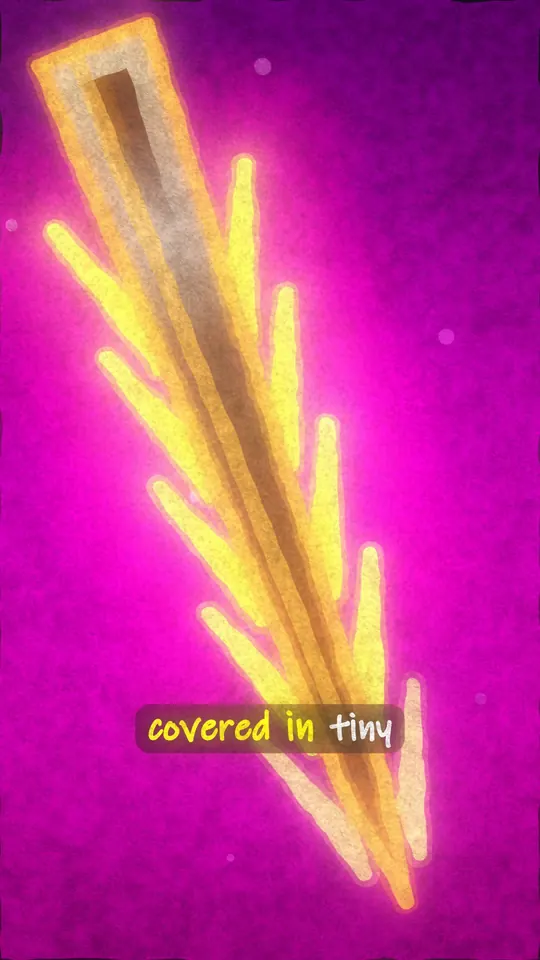
The answer is the shape of the stinger. A worker honeybee's stinger is not a smooth needle. Along its sides it carries rows of tiny barbs that point backward, a bit like the barb on a fishhook.
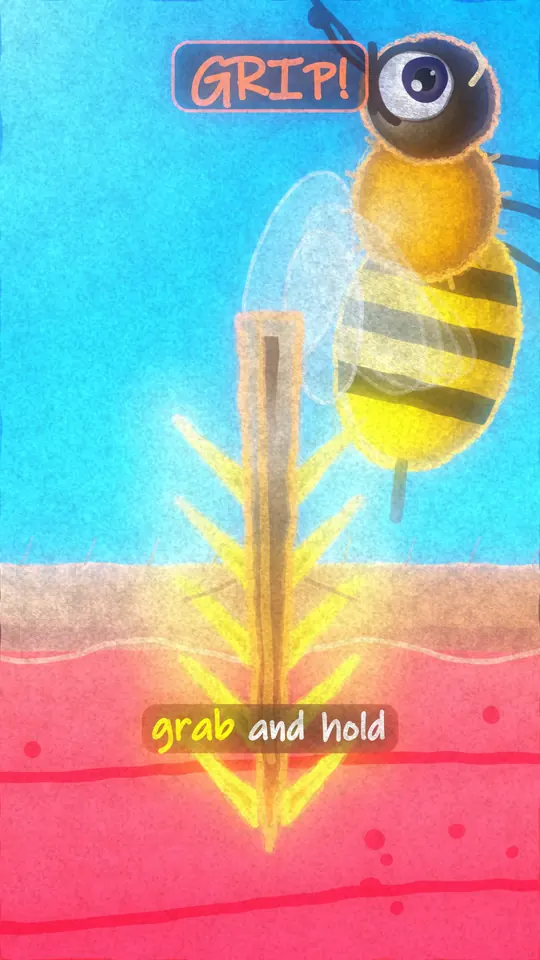
Going in, the barbs slide easily. Coming out, they catch. In thick, stretchy skin like ours (or a bear's, or a dog's), the barbs grab the skin and work like a ratchet. The force needed to pull them back out is bigger than the force that holds the stinger inside the bee.
The tug-of-war the bee loses
So when the bee tries to fly off, it is the bee that gives way. The stinger tears out of the end of its abdomen and stays in the skin, together with the venom sac, muscles and nerves around it. That injury is too much for the bee, and it dies.
This only happens in thick skin. When a honeybee stings another insect with a thin, hard shell, the barbs often don't catch as firmly and the bee can sometimes pull its stinger free and survive. The queen honeybee also has a much smoother stinger than the workers, and she can sting more than once.
The stinger keeps working on its own
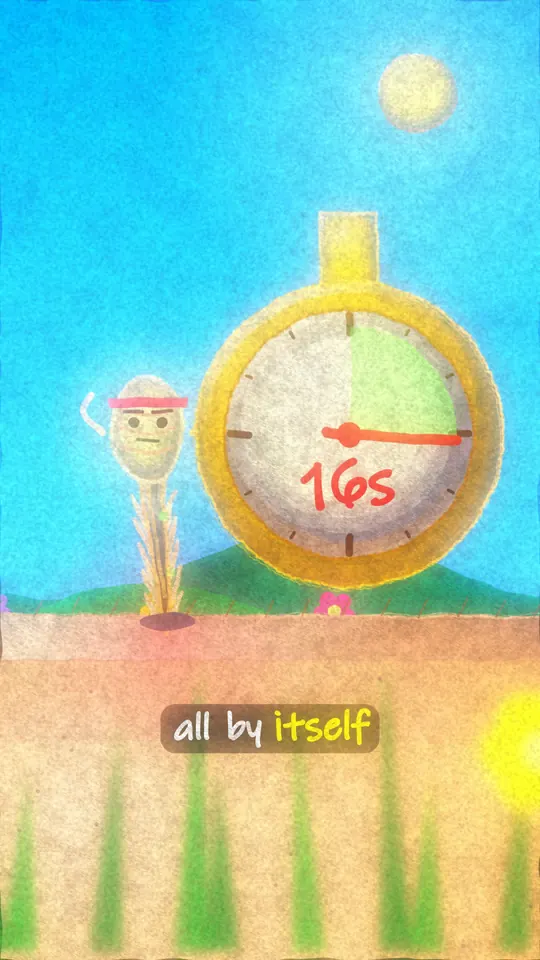
Here is the strange part. The stinger that's left behind doesn't stop. The venom sac and its muscles keep squeezing on their own, pumping venom into the skin for about 45 to 60 seconds after the sting.
That is why the usual advice is to get the stinger out as fast as you can. Scraping it out with a fingernail or the edge of a card works well, and so does flicking it out. What matters most is doing it quickly, before the sac has emptied.
Wasps and bumblebees can sting again
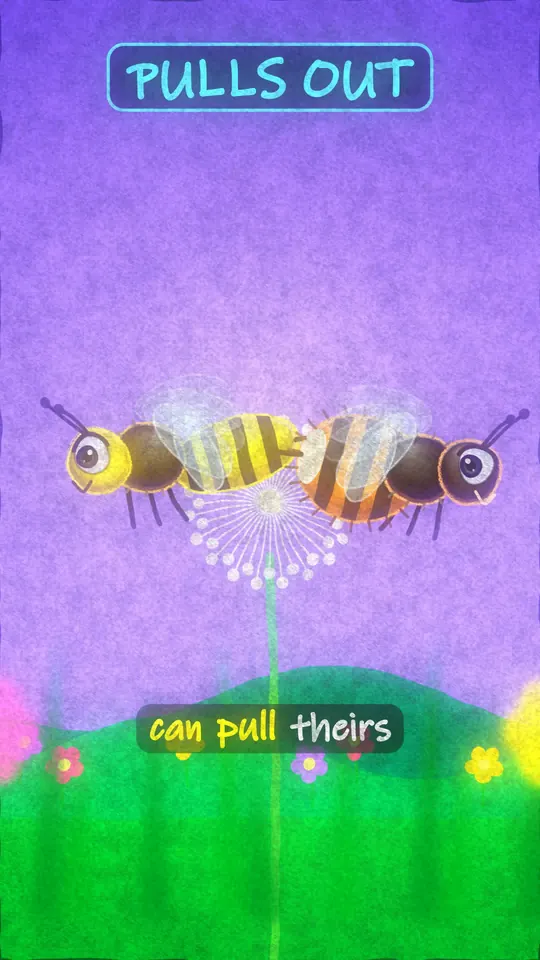
Wasps, hornets and bumblebees have smooth stingers, or only very slightly barbed ones. Their stingers slide out again after a sting, so they can sting several times without hurting themselves. Some yellowjackets do have tiny barbs, but they are small enough that the wasp can usually still pull free.
Why a sting can bring more bees
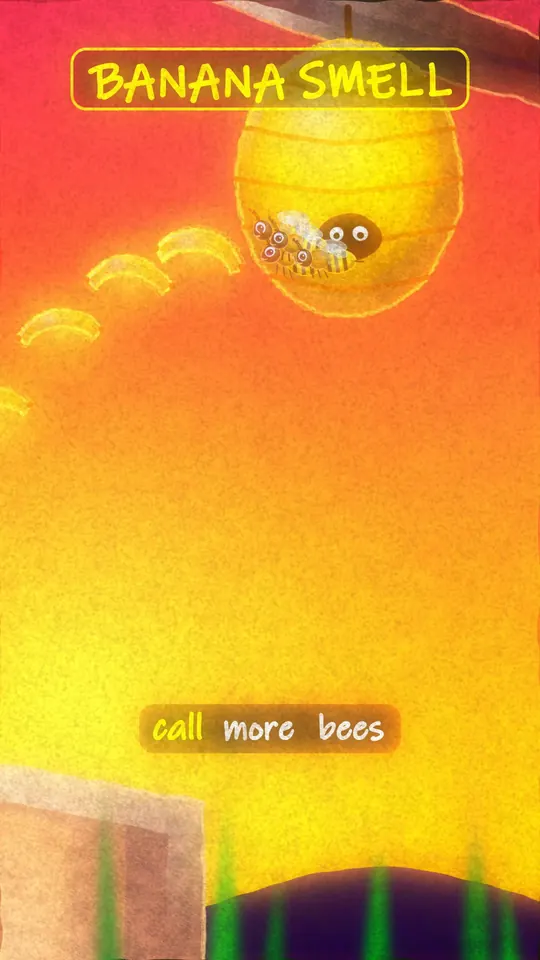
There is one more thing in that stuck stinger. A gland near the base of the sting gives off an alarm scent made of more than 40 chemicals. Its main ingredient, isopentyl acetate, is the same compound that gives bananas their smell.
To other honeybees, that smell means "danger, sting here." It draws more guard bees toward the spot that was already stung. That's one reason beekeepers use smoke, which masks the scent, and why many of them avoid eating bananas right before opening a hive.
So if a honeybee stings you, walk away from the hive calmly and scrape the stinger out quickly. The bee that stung you has already paid for it.
Sources
- UC Agriculture and Natural Resources, Bug Squad: Why do honey bees die when they sting? https://ucanr.edu/blog/bug-squad/article/why-do-honey-bees-die-when-they-sting
- Discover Wildlife: Why does a bee die after it stings you? And is that the case for all bees? https://www.discoverwildlife.com/animal-facts/insects-invertebrates/why-does-a-bee-die-after-it-stings-you
- PBS NewsHour: Why does a honeybee die when it stings? https://www.pbs.org/newshour/science/honeybee-sting-kill-bee
- University of Bristol, Molecule of the Month: bee alarm pheromone https://www.chm.bris.ac.uk/motm/ethylacetate/bee.htm