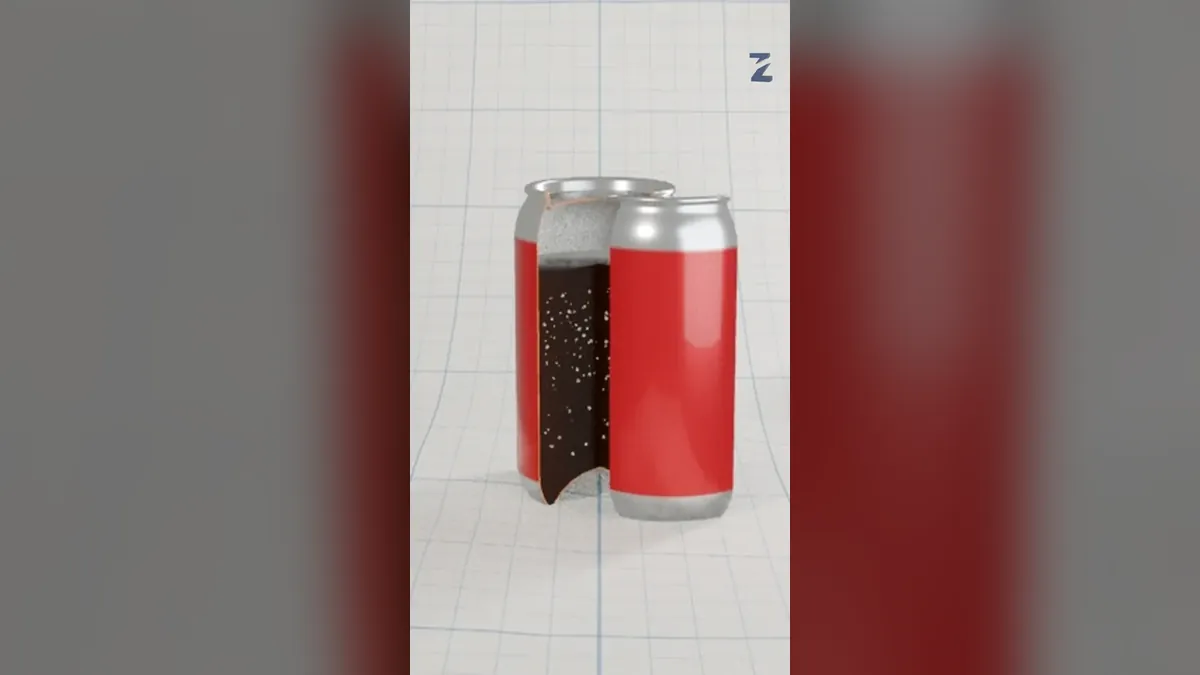
The B-17 Ball Turret: Forty Seconds of Ammunition and No Room for a Parachute
A man curled inside a steel ball three and a half feet wide, hanging under a B-17 at forty below, with two heavy guns and about a thousand rounds. How the Sperry ball turret worked, and what the records really say about the most famous seat in the bomber.
Two heavy machine guns. One man, curled up between them. About a thousand rounds of ammunition, and if he held both firing buttons down, they were gone in around forty seconds.
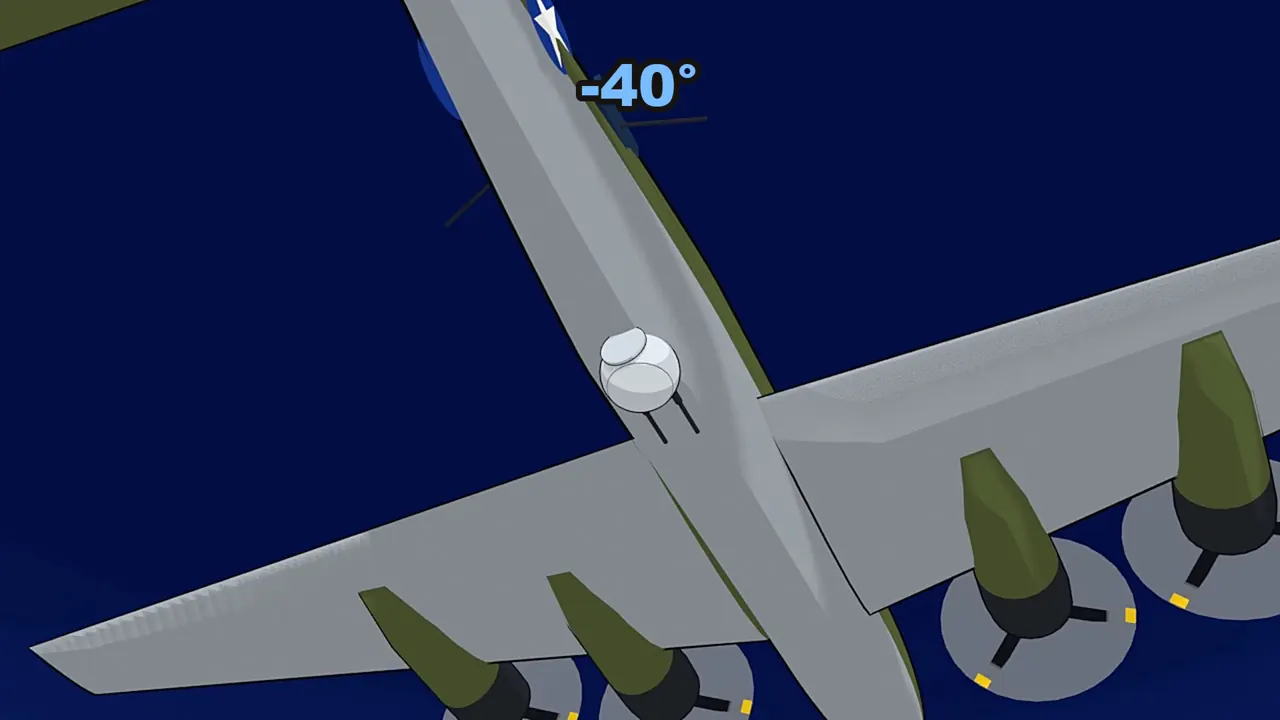
That was the Sperry ball turret, the steel globe that hung under the belly of the B-17 Flying Fortress. The man inside sat five miles up, often at forty degrees below zero. His parachute usually would not fit in there with him. If the electric power died, the turret stopped answering his hands.
And yet a wartime Army study found that ball gunners were among the least hurt men in the whole crew. To see how both things can be true, you have to open the ball up.
Why put a man in a ball at all
The first problem was simple: a heavy bomber is easy to attack from underneath. Early B-17s carried a gun tub under the belly, a shape crews compared to a bathtub. It was cramped, and the gunner could only cover a narrow slice of sky behind and below.
The next attempt was a remote turret, aimed through a periscope by a gunner sitting inside the fuselage. It was clumsy, hard to aim, and it made gunners dizzy.
So the Sperry company tried something stranger: put the man out there, inside the turret itself. A ball makes very little drag, and from under the bomber it can see nearly everything below. The Sperry ball turned a full circle and tipped from level to straight down. Much of the production was subcontracted, including to a Detroit company that had built car bodies.
The ball was three and a half feet across. It had been sized for an average man, without counting the bulky layers of a high-altitude flight suit. Crews often handed the seat to their smallest man.

Getting in
Nobody rode in the ball for takeoff. On a B-17 the turret hangs close to the runway, and if a landing gear failed the ball would scrape the ground. So the gunner waited in the waist until the bomber was in the air.
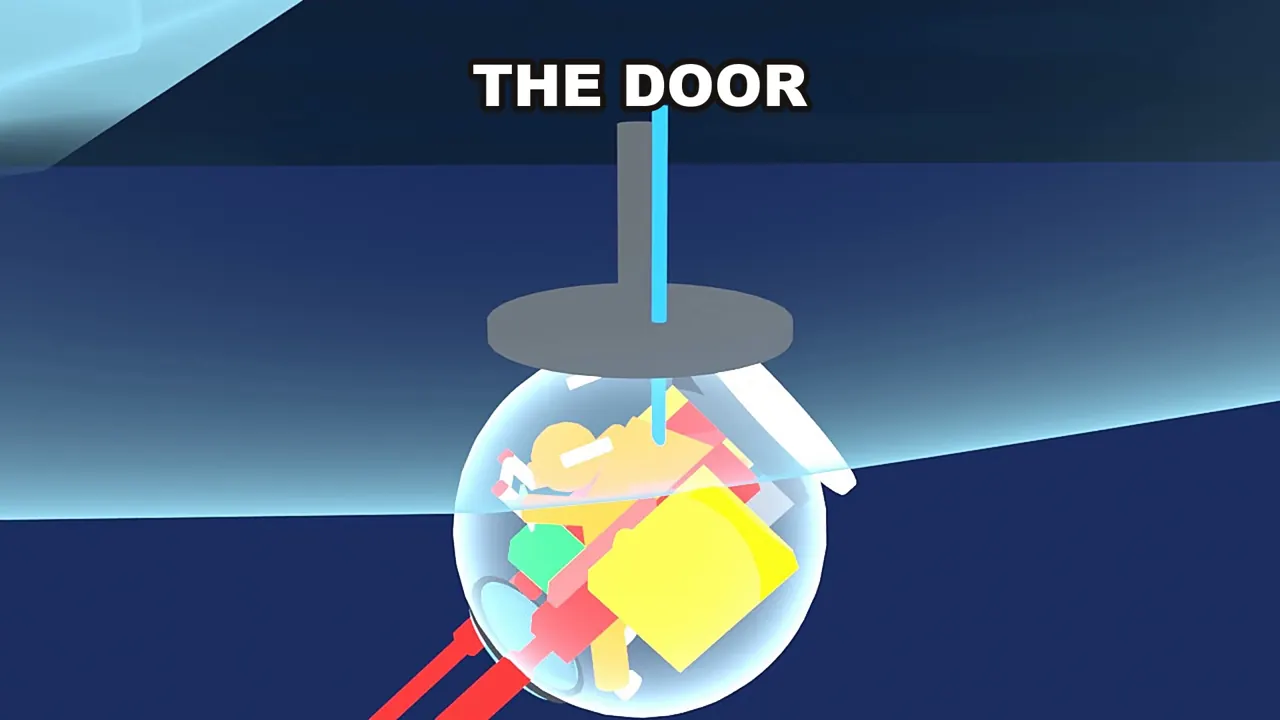
Then the guns were cranked to point straight down. That rolled the turret's small door up into the cabin. A wartime gunnery manual warned that men had been killed getting in the wrong way: the ball is heavy and so well balanced that it swings freely, and if it was not locked it could break a man's leg. The advice was to test the seat with one boot first, and to stop if anything moved.
Then down he went: right heel on a rest, left heel in a pedal, safety belt on, door shut, an armor plate against his back. The guns came level again and the round window between his feet filled with sky.
Two guns and two buttons
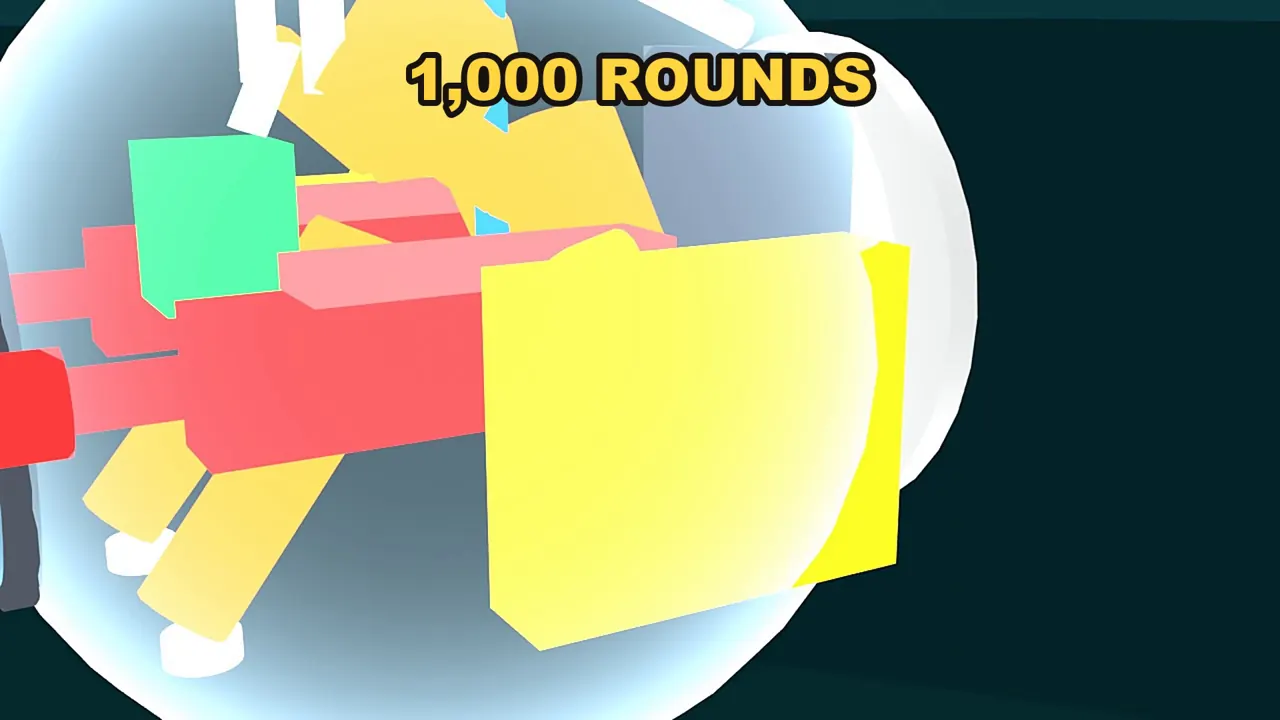
A .50 caliber machine gun ran right through the ball on each side of the gunner. Each fired roughly eight hundred rounds a minute, about thirteen a second.
There was no trigger. The manual notes there was no safety switch either. The gunner had two handles in front of his face, with a firing button on top of each, under his thumbs. And the steering worked backwards: push the handles to the left and the ball swung to the right. Every other turret in that manual turned the normal way.
His right foot worked the intercom. His left foot had a harder job, which we will come to. To cock the guns he reached down by his feet with his arms crossed; cables ran over small pulleys and pulled the gun bolts back, because the guns' own charging handles were too close to him to use. Some jams needed the lid of the gun open, but inside the ball the lid could not swing up. So a slot was cut into it, and the gunner could take the whole cover off instead.
The B-17's ball carried just over a thousand rounds, about five hundred for each gun. Hold both buttons down and that is gone in around forty seconds. Every burst had to count.
A computer between his feet
How do you hit anything from there? The answer hung between the gunner's feet: the K-4 sight, a small mechanical computer of 1943. The turning of the ball itself fed it numbers.
First the gunner told it what he was looking at by setting the wingspan of the enemy fighter. Then the left foot came in. With a pedal he squeezed two lines in the sight glass together until they touched the fighter's wing tips. Now the sight knew the range. If he kept the fighter centered, smoothly, it worked out how far ahead to aim. The manual put the useful range at about three thousand feet with it. Jerk the ball, though, and the sight got the sum wrong.
There was another worry with the guns level: the bomber's own propellers. A cam in the turret pressed a switch and cut the guns whenever the line of fire crossed a part of the airplane.
The cold
The machine was clever. The air outside was another matter. In the winter of 1943 crews kept flying into air colder than forty below, and some missions met sixty or seventy below. In the ball the gunner sat almost without moving for hours.
His suit was electrically heated, like a blanket, and plugged in under his seat. So did his oxygen; lose it at that height and you pass out. For a stretch of 1943, frostbite injured more Eighth Air Force airmen than all other causes of casualties combined.
Schweinfurt, 17 August 1943
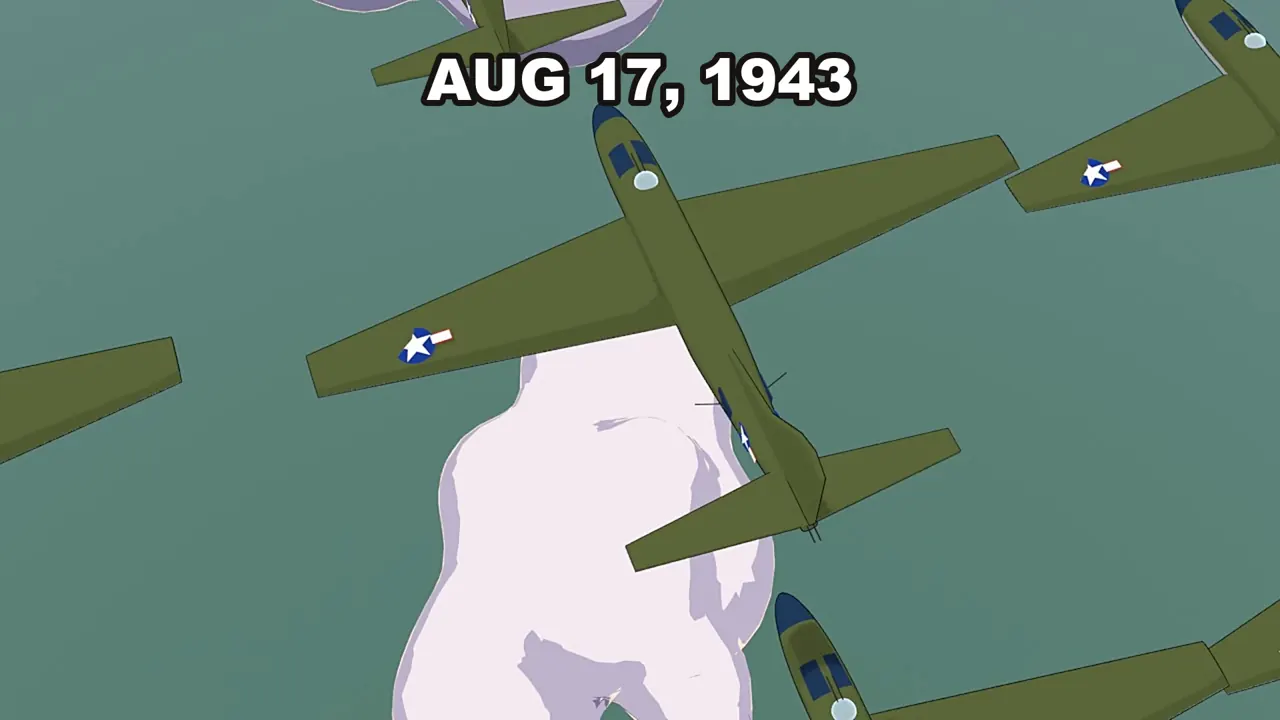
Then came the fighting. On 17 August 1943 the Eighth Air Force sent 376 bombers against Schweinfurt and Regensburg. They flew packed into staggered boxes so their guns would cover each other; the theory said that was enough protection without escort fighters. The escort fighters had to turn back near Eupen, in Belgium, and the targets were roughly an hour beyond.
More than three hundred German fighters rose against the Schweinfurt force, attacking the lead bombers again and again from the front, where a ball gunner got one quick look at best. Sixty bombers were lost that day, nearly one in six. The gunners claimed 288 German fighters. German records showed twenty-five to twenty-seven lost. Overclaiming happened all through the war: picture five gunners all firing at the same falling fighter, and each one counting it.
The story you may have heard
There is a famous story about the ball turret. The bomber's wheels will not come down, the turret's gears are jammed, a man is trapped inside, and the plane must land on its belly. The wartime reporter Andy Rooney said he had seen it happen. Ronald Reagan told audiences a different version, with a pilot who stayed behind, and that version closely resembles a scene in a 1944 film. For Rooney's account, nobody has found a record.
The turret's design also argues against it. Rooney said the gears were jammed; if only the power failed, the gunner had hand cranks inside. The crew could crank the ball from the cabin too. With the guns level, the door opened straight out to the sky, and the crew could even drop the whole ball off the airplane. When one B-17 came down on its ball in January 1944, the turret was empty, as the rules required for every landing.
Two men who are on record
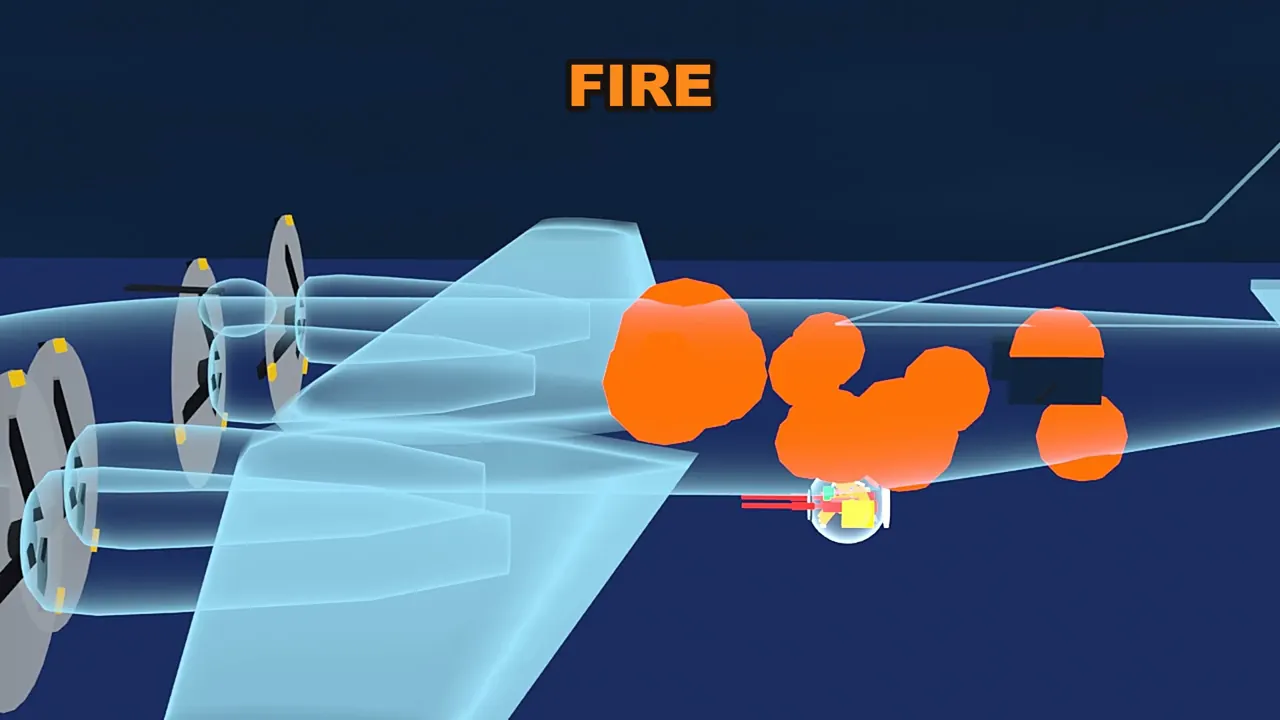
Rooney did write about one ball gunner whose story is fully documented. On 1 May 1943, Maynard Smith was in the ball on his very first mission when his bomber was hit and a fuel tank burst, setting the middle of the plane on fire. His turret lost power; he climbed out anyway. Three crewmen bailed out over the sea. For about ninety minutes Smith fought the fire and the attacking fighters, throwing burning wreckage and exploding ammunition out through the holes. The bomber reached England, landed, and broke in half. It had taken more than 3,500 hits. Six men came home alive because of him, and he became the first enlisted man of the Army Air Forces to receive the Medal of Honor. That same week, he was on kitchen duty for being late to a briefing.
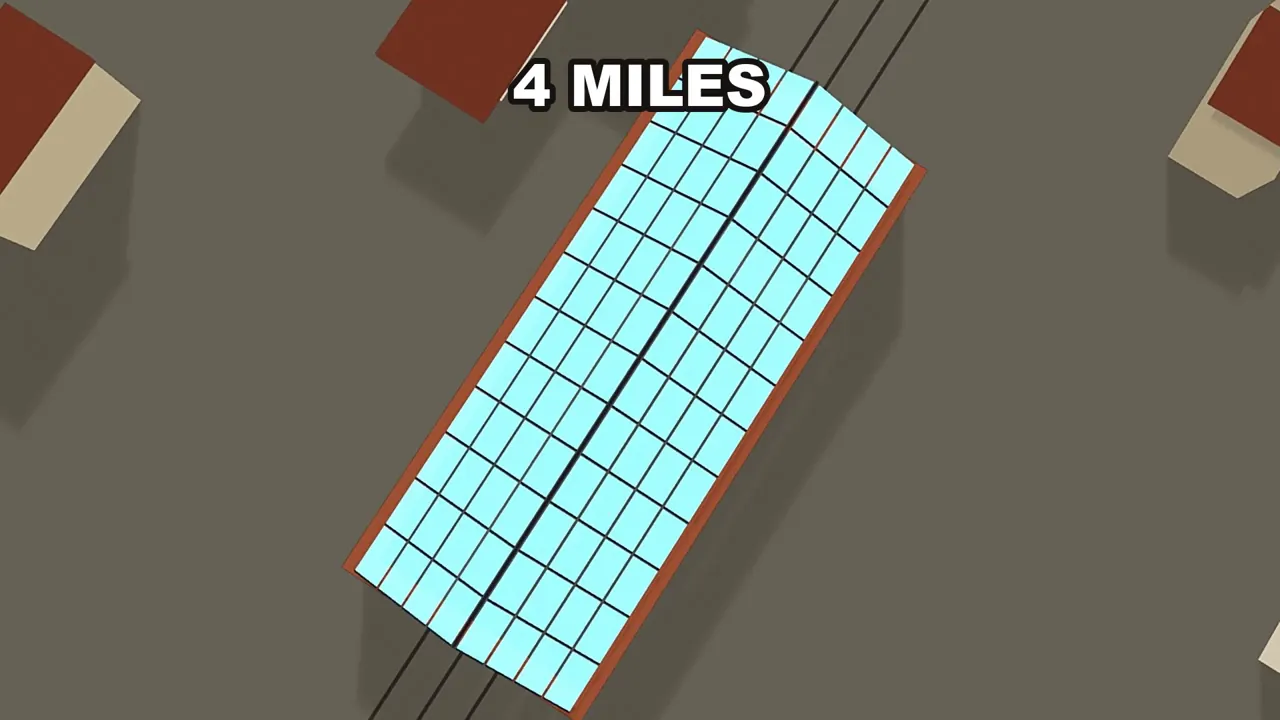
Smith had a plane to come home in. On 3 January 1943, Alan Magee was in the ball over Saint-Nazaire in France when flak knocked out his turret. He climbed out to get his parachute and found it torn. Then flak took off part of the wing, the bomber spun, and he blacked out and was thrown clear at about 22,000 feet. Four miles below was a railway station with a glass roof. He went through it. The glass broke his fall, and he was found alive on the station floor with twenty-eight shrapnel wounds, broken bones and a badly injured arm. He was treated, held as a prisoner, freed in May 1945, worked for the airlines after the war and lived to eighty-four.
So was it a good seat?
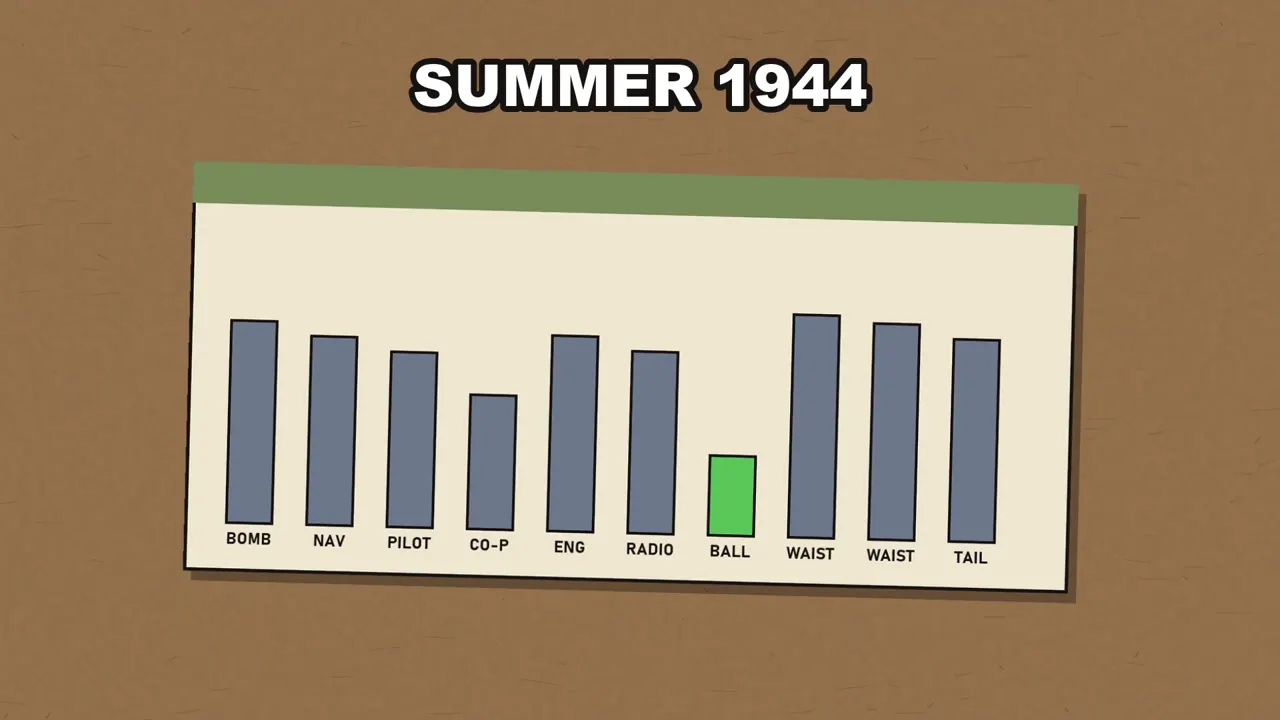
Two lucky men prove nothing. In the summer of 1944 an Army doctor's survey placed ball gunners among the least hurt crew members. But the survey could only count men whose bombers came home, and most of the casualties were in the bombers that did not.
A historian later went through all the records of one bomb group, the 95th, about 2,200 of them. From May 1943 to the end of the war, the ball gunner's position came out close to average. Co-pilots did best and waist gunners did worst. Early in 1944 the ball tied for the most dangerous seat; by that summer it was the least dangerous. The seat had not changed. The sky had: months of hard fighting had worn the German fighter force down.
By then the remote turret idea that had been dropped earlier was back. On the B-29, four of the gun turrets had nobody inside, aimed instead by gunners at sighting stations with computers to help them.
Forty seconds of ammunition, often no parachute, and a window full of sky between your feet. Would you have climbed in?
Sources
- Ball turret, Boeing B-17 Flying Fortress, Boeing B-29 Superfortress, Alan Magee, Maynard Harrison Smith, Schweinfurt-Regensburg mission, Combat box: encyclopedia articles.
- US Navy Aircrewman's Gunnery Manual, on HyperWar: Sperry lower ball turret and the K-4 sight.
- Hangar Thirteen, "Turrets in Detail" (B-17 A-2 ball turret).
- 95th Bomb Group casualty analysis, 95th Bomb Group Memorials Foundation.
- American Alpine Club (1946), "Personal Equipment": cold and frostbite in the Eighth Air Force.
- Snopes, on the "Wing and a Prayer" story.