Why Most People Passed the Medieval Trial by Hot Iron
Carry a hot iron nine paces. If your hand heals in three days, you go free. A medieval register shows that 130 of 208 people passed. One economist thinks the priests were quietly making sure of it.
 Watch the short videoTop Qualifiers on YouTube
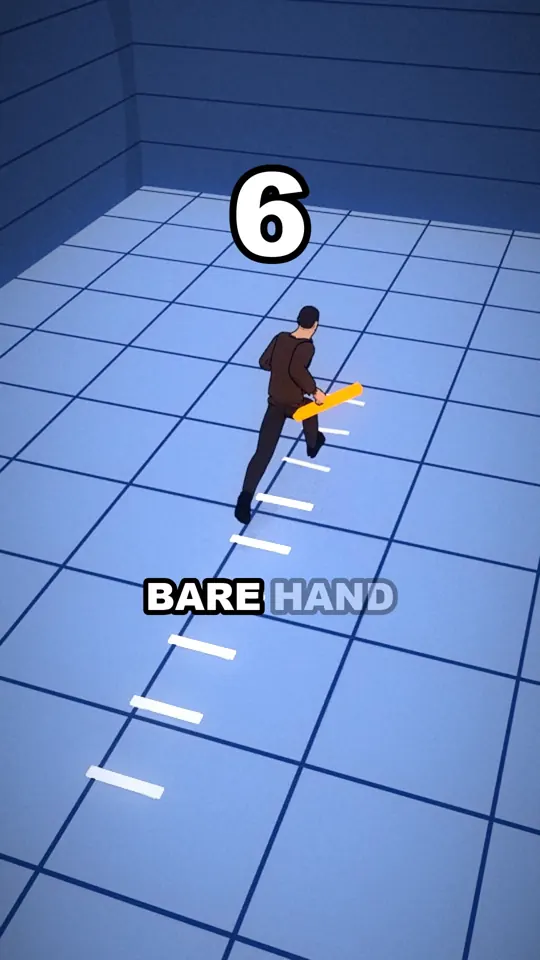
The church is empty except for two people. One is a priest. The other is accused of a crime. Between them, on a bed of coals, is a piece of iron, and in a little while the accused is going to pick it up.
Those are the rules, written down in a tenth-century English law. Once the fire has been carried in, nobody else may enter. Later the witnesses will be let in to stand along the walls. The accused will drink holy water, have holy water sprinkled on the hand, and then carry the iron nine paces. The hand will be wrapped and sealed. On the third day the priest will open the wrapping and say whether it is "clean or foul".
Clean means innocent.
For centuries, courts across Europe used this when they had no witnesses and no confession. You would expect it to convict everybody. It did not. Where the records survive, most people who carried the iron walked free.
One pound or three
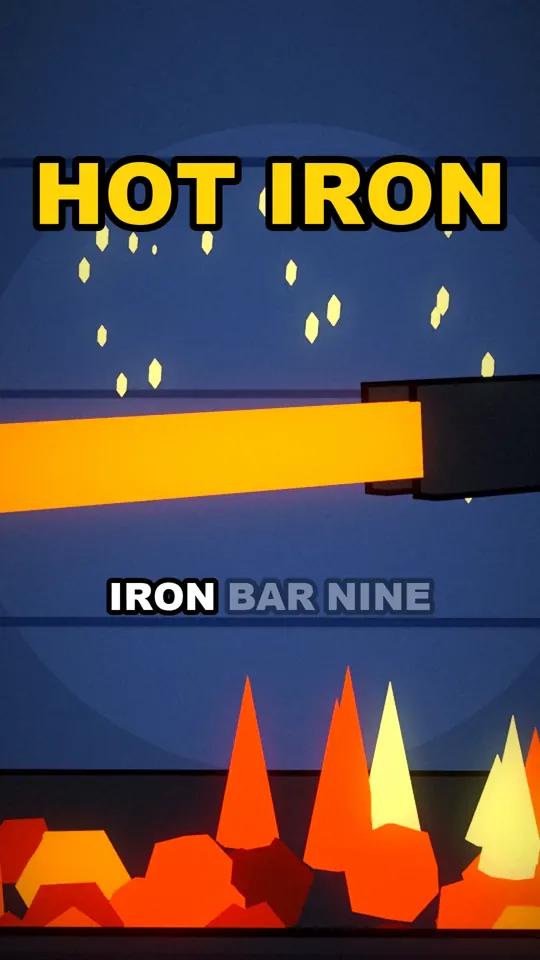
There were degrees. For an ordinary charge, the iron weighed one pound. For a serious crime, or for a person with a bad name, it weighed three.
Not everyone got iron. There was also boiling water, where you reached in up to the wrist or, in the bad version, up to the elbow. And there was cold water, where you were tied up and lowered into a pool. Sinking meant you were innocent. Floating meant the water had rejected you.
But God was the judge in all of them. That was the theory. If you were telling the truth, he would protect your hand. And the theory was believed, which turns out to matter more than anything else here.

The priests who kept the books
Most ordeals left no paperwork. At Várad, in the Kingdom of Hungary (it is Oradea in Romania today), the clergy wrote theirs down. Their register covers the years 1208 to 1235.

It records outcomes for 308 cases. A hundred never reached a verdict: 75 were settled, and in 25 the accuser withdrew. Some of those withdrawals came at a very late moment, after the iron had been carried and before the hand was unwrapped. Accusers could be punished for swearing falsely, and a few of them seem to have looked at that bandage and lost their nerve.
That leaves 208 people who went all the way. Seventy-eight failed. One hundred and thirty passed.
That is 62.5 percent, on a test that involves picking up hot iron with your bare hand.

A trap for the guilty
Peter Leeson is an economist, and he thinks the puzzle has a neat solution. Imagine you believe, completely, that God will burn you if you are lying.
If you are guilty, the iron is a nightmare. You will be maimed, and then convicted. Better to confess, or settle, or back out.
If you are innocent, the iron is the safest place in the world. You take it.
So the threat sorts people before anyone gets burned. By the time somebody is actually standing in the church and reaching for the bar, they are probably telling the truth, and the priest knows it. Now read the rules again. The priest is alone with the fire. The iron stays on the coals through a long service, and nobody may mend the fire once the blessing starts, so it has time to cool. The audience is pushed back to the walls. The priest sprinkles the hand, and a sprinkle can be generous. At the end he alone decides whether the hand is clean, and no law explains what that means.
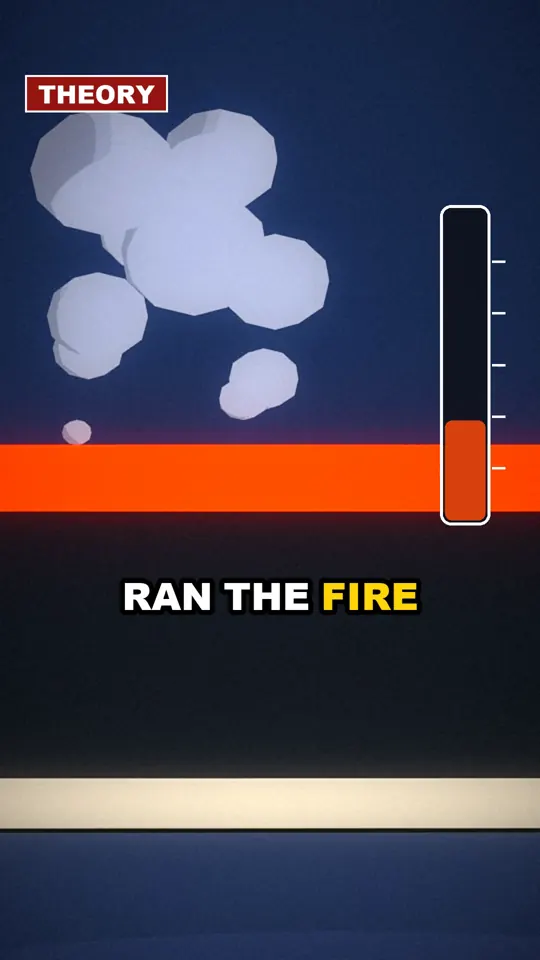
In Leeson's reading, the whole ceremony is a machine for letting innocent people go without anyone noticing.
No priest ever confessed
It is an argument built on rules and numbers. Nobody has found a document in which a priest admits to fixing an ordeal, and Leeson says the figures need care. Being cleared did not prove a person innocent. And 78 people at Várad were judged foul. If the thing was rigged, it was not rigged for them.
There is one more clue, and it is in how the thing died. In 1215 a Church council led by Pope Innocent III banned priests from blessing ordeals. Courts, Leeson points out, could have carried on without them. The iron would have been exactly as hot.
Instead they dropped it. Denmark stopped in 1216 and England in 1219. It lingered mostly in places where priests ignored the ban. Without a priest in the room, apparently, nobody trusted the iron any more.
Sources
- Peter T. Leeson, "Ordeals", Journal of Law and Economics, vol. 55 (2012)
- The register of Várad (Regestrum Varadinense), 1208-1235, and the tenth-century English law on hot iron, both as given in Leeson's study
- Trial by ordeal, Wikipedia
More from the video